
I’m sure you’ve seen those people. You know who I’m talking about. Those people who seem to have an errant need to photograph every waking moment of every single day with their smartphones. You may have noticed that this need has extended itself to meal time. While some people may scoff at how vain people can be, to the point where they photograph their food instead of eating it, I see it differently. While having adventures abroad, I found that taking pictures of my food was a ritual which has been a blessing in disguise. By taking images of the enticing and occasionally strange foods I’ve eaten, I inadvertently created a reference point in time for myself. Whenever I look back on an image of a meal that I had, not only am I able to recollect the amazing flavors that I was tasting at the time, but I am also able to remember the amazing company that I had, as well as the fond memories that I now share with those people. It is because of this that I am able to look at a plate of bangers and mash and smile with fondness and regard for an amazing set of people that I would have never otherwise met.

My first tip: set the scene properly. When taking these pictures, attention to detail is likely to be one of the most important skills to have. The most obvious but often times forgotten parts of setting the scene is to clear and remove as much refuse from the table as possible (assuming you are eating at a table). In the case of street foods where a table is not in use, ensure that the background of your image (whether it’s a building or a street or a sidewalk) is clear of any refuse or anything that would create distraction in your shot.

For the casual food photographer who simply looking to capture the moment, this is probably enough preparation for your shot. However, if you’re looking to garner a higher quality image from this, it’s probably best to also ensure the aesthetics on the plate or other vessel in which your meal has been presented to you. For this, photographer discretion is best used. Each dish will require different types of fluffing, per se, in order to make it most aesthetically pleasing. (A sandwich will require a different type of attention than a salad or soup.)
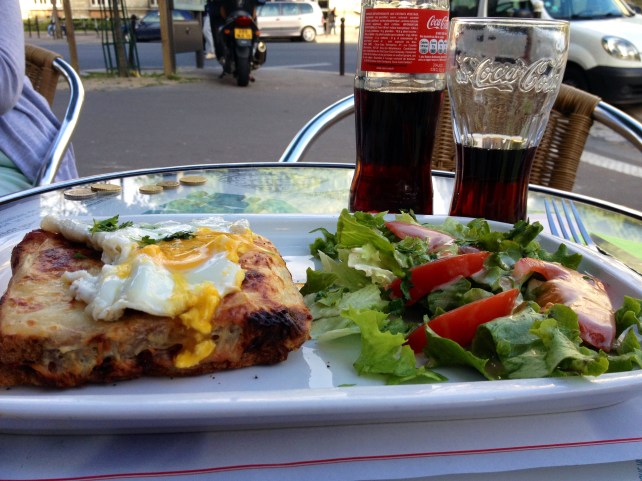
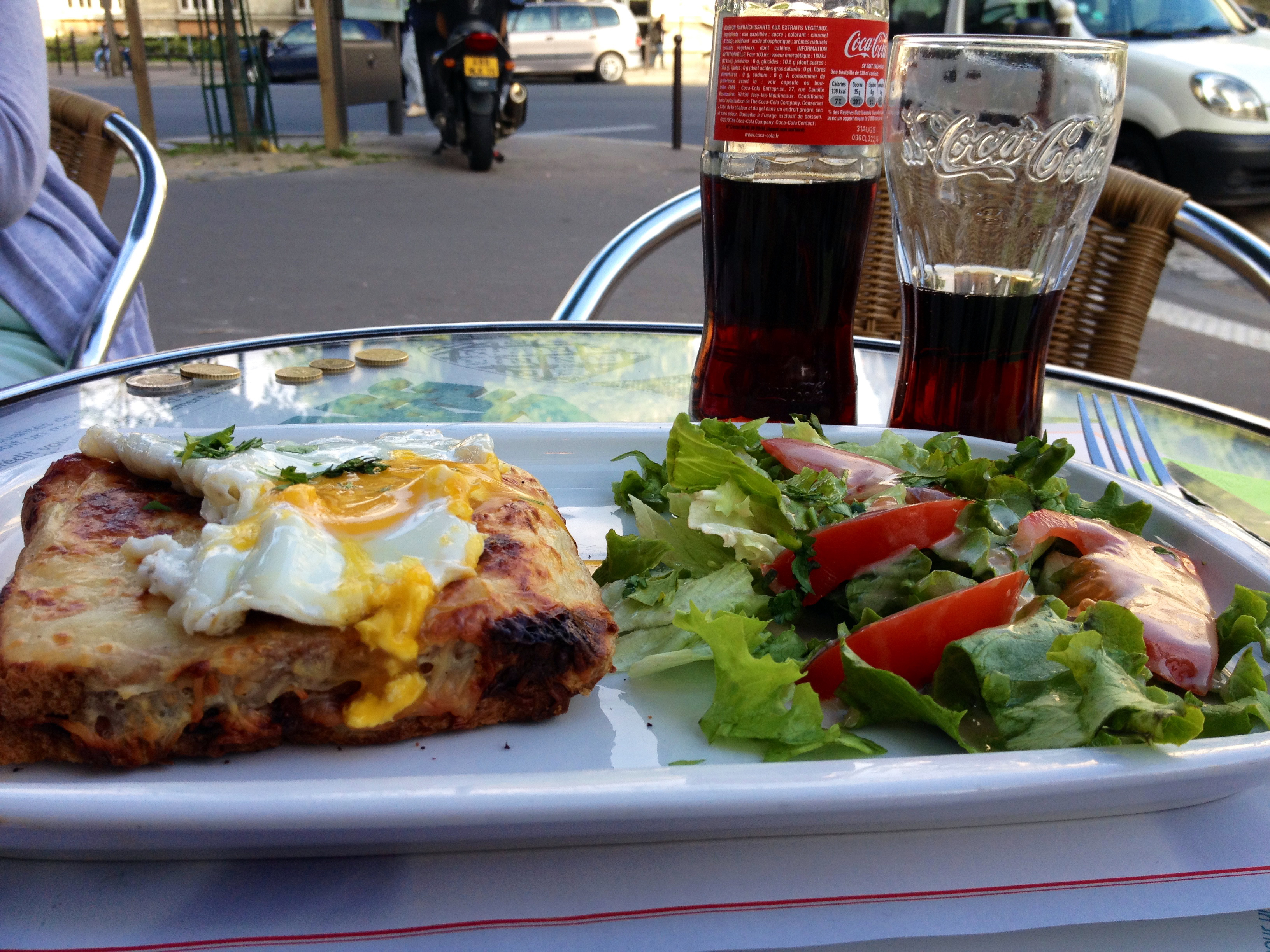
Next, a decision needs to be made by the photographer. Depending on the venue that you are in, as well as the meal you are photographing, the angle of the shot must be decided. Most often, a straight down birds-eye view will do the trick. However, if you are looking to change the tone of the image or include parts of the scene around you to enhance the memory, a side or diagonal view may also do the trick. For this step, as well as the previous step, photographers’ judgment comes into play due to the unique situations that are presented with on-site food photography.
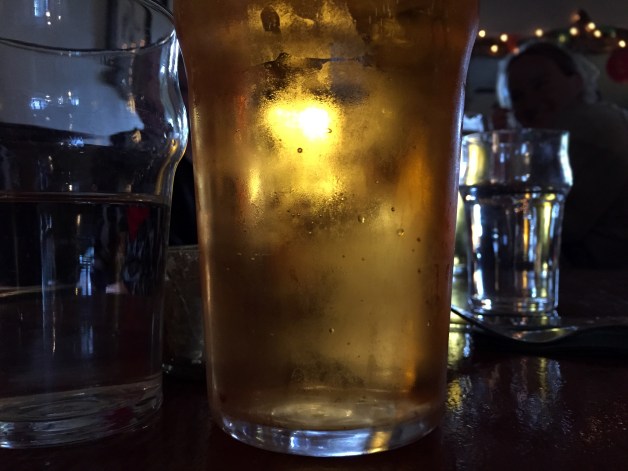
Now, to filter or not, that is the question. While some may mock the use of a smartphone filter, I argue that a filter can actually be quite useful if the intent of the photograph is to preserve memory. A filter may allow a more obvious visual representation of the feelings and mood of the moment. Because of this, I believe that filters have a unique function within the realm of food photography. However, if you are disinclined to use a filter I would highly recommend that you at least consider color correcting or correcting the shadows and highlights of the image whether on your phone or in another program such as iPhoto, Photoshop, or aperture.
Do you take pictures of your food? If so, is it all of the time, on special occasions, or on travel? Any additional tips or tricks that you have for food photography on a smartphone? Let us know in the comments section below.
– Hazel
Photos © 2015 Hazel Arroyo

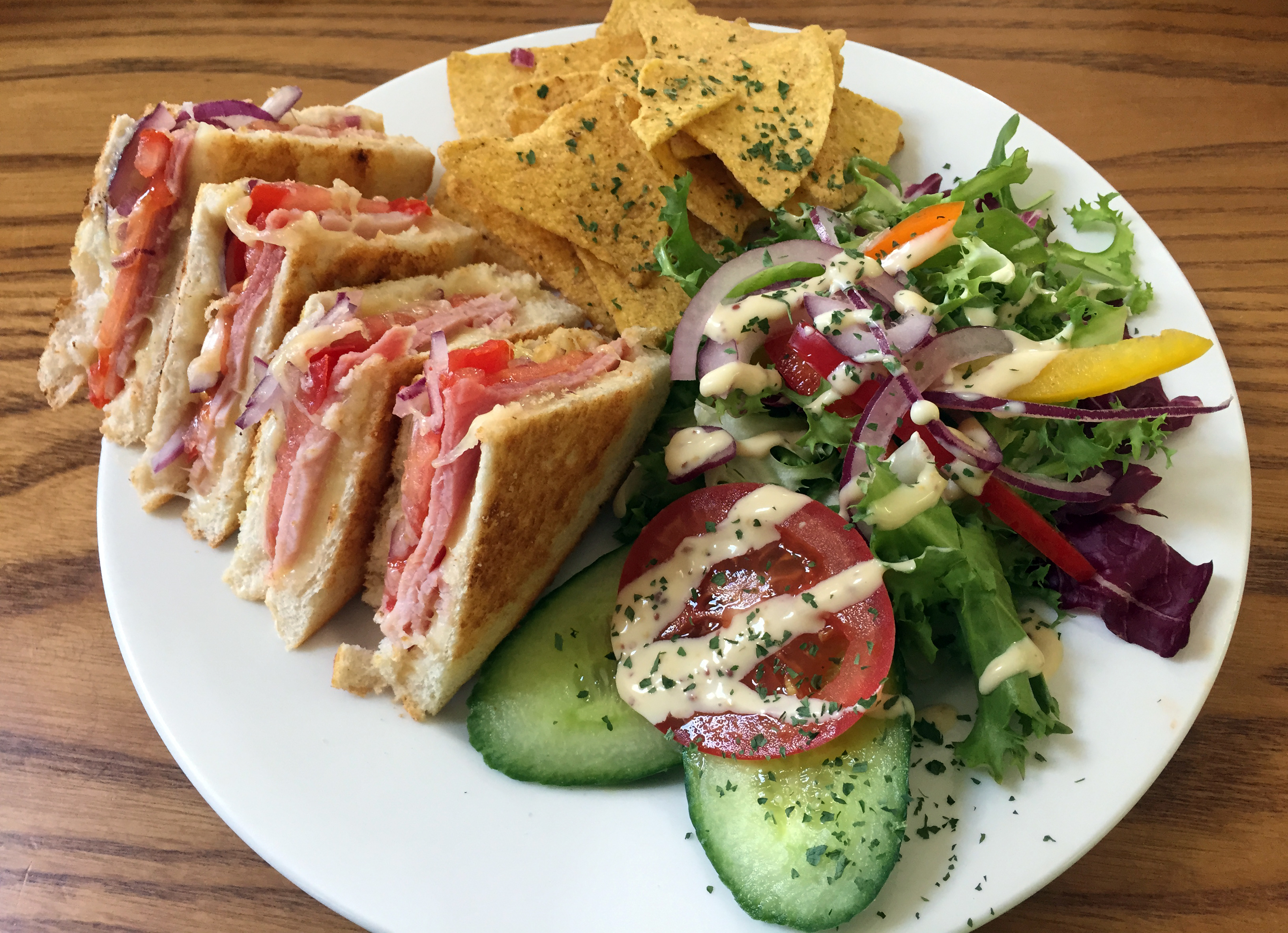
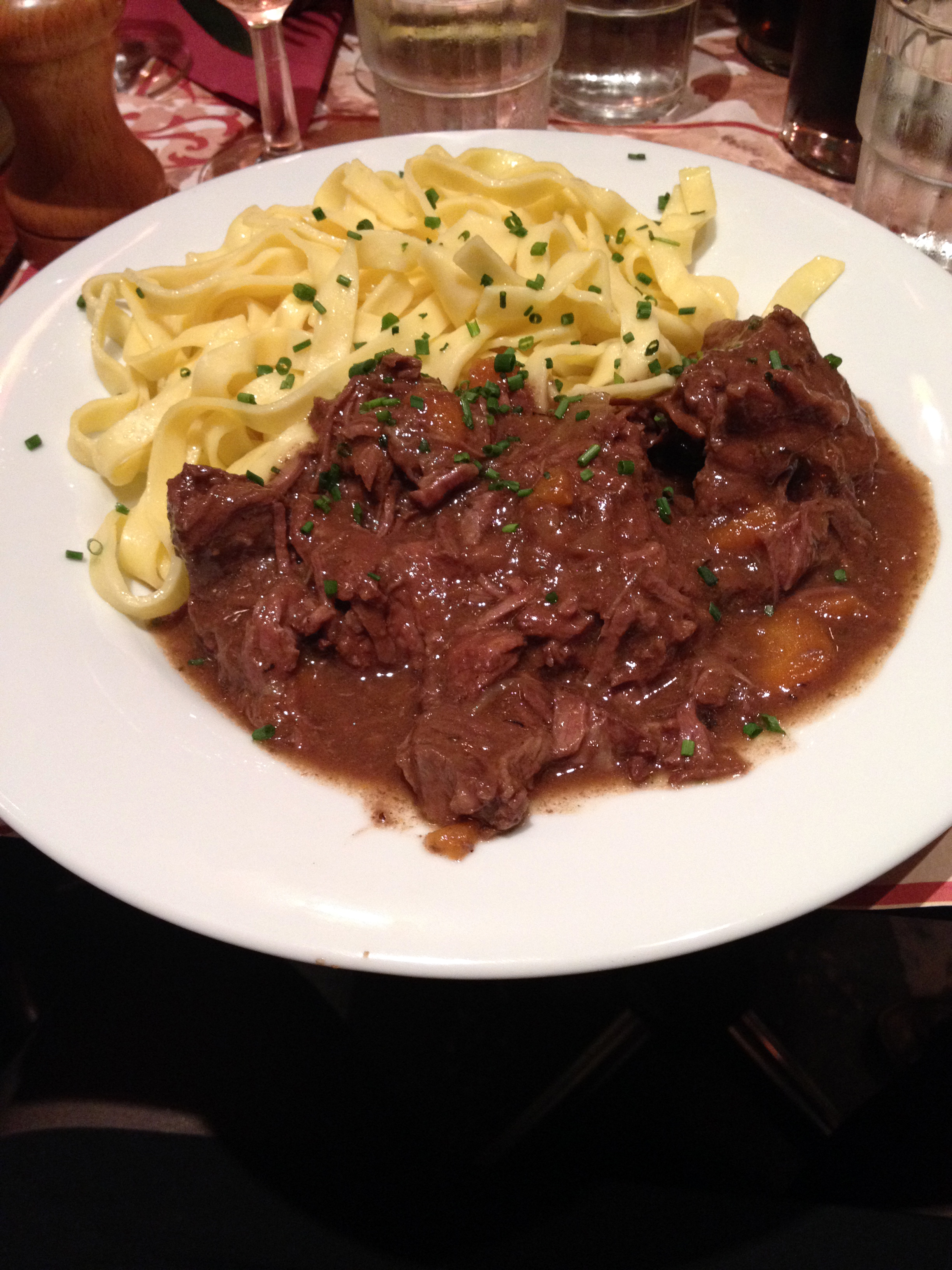


 Shoestring Filter
Love it, great advice!
LikeLiked by 1 person