Tag: photography

Around Town: New Beginnings

Just before I turned 13, my family moved to Washington D.C. because of my dad’s job. Initially, I was afraid. I was moving to a new and large place, I had no friends, and I was going into 8th grade – one of the most awkward periods in my life thus far. But at the same time, I couldn’t help but feel that this would be a positive change in my life. I would get to have a fresh start by going on this grand adventure with my family. So, with that feeling in tow, I set off as fearlessly as I could with my family to this new, strange, and populous city. As it turns out, Washington D.C. is one of the most expensive places to live, so instead of moving to the city, we landed in the suburbs of Northern Virginia. The ‘burbs are not the most exciting of places to live, quite frankly, but the more I grew up here, the more they started to grow on me. The close proximity to the city gives us the ability to do all of the metropolitan excitements while still having a place to retreat away from all of the noise. This series, titled “Around Town” is my way of showing off the best of both worlds. Some weeks I will stick to the 202 (inside of the city limits) and some weeks I’ll show the hidden gems that lie just outside of the city.

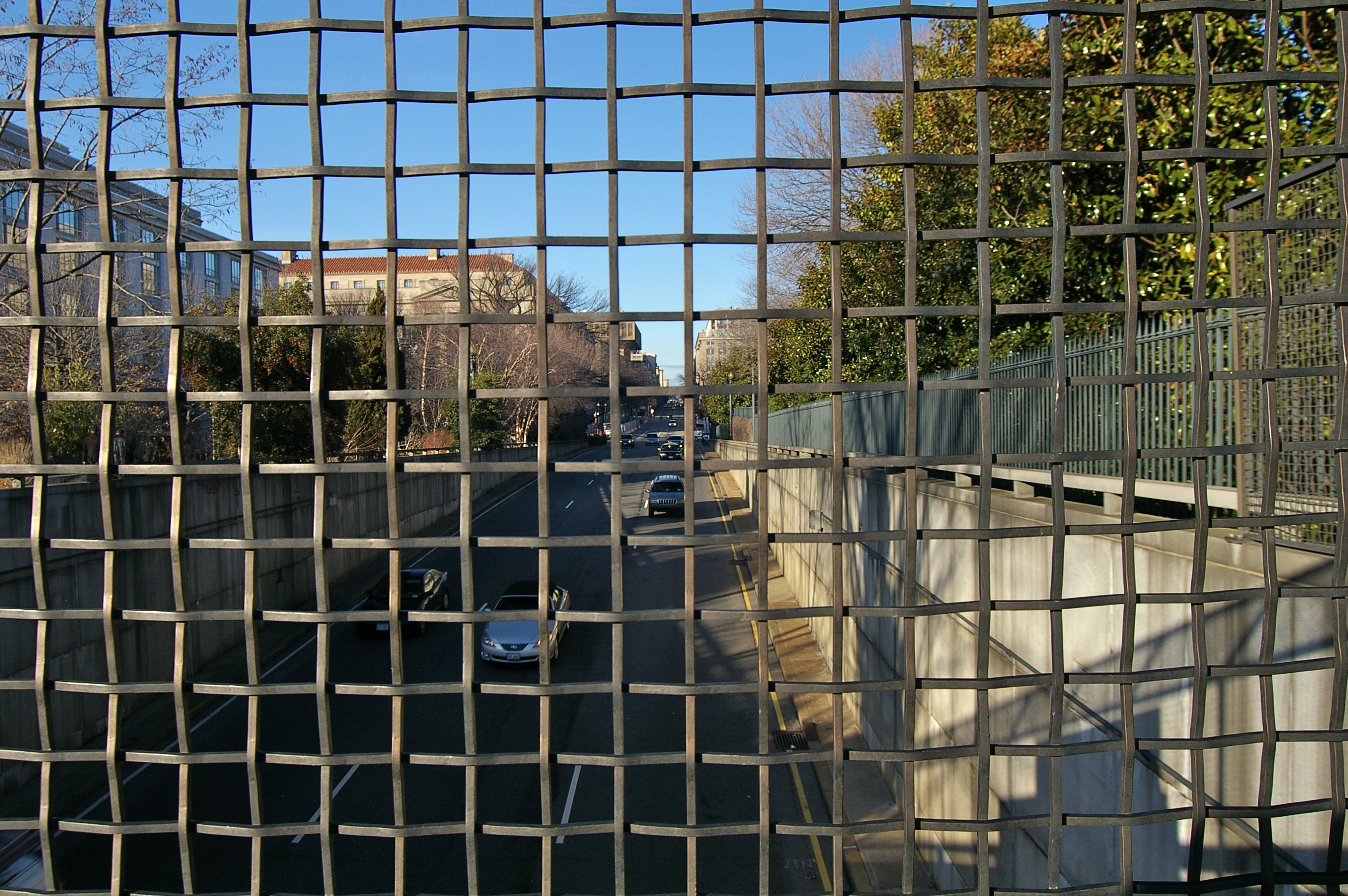
This week, I’m just going to highlight the DC that I see. Not the one with all of the tourists and travelers. The one that hides its urban beauty in the details. Some people walk around this city and see only buildings and monuments. When I look, I see marvels of architecture, I see wonders of art, I see an intricacy of detail. Once you pull away from the magnet of the Smithsonians and the monuments and the tourist traps and allow the city to speak to you, boy does it really start to sing.

– Hazel

IMGP0358 IMGP0357 IMGP0330 IMGP0007 DSC_0368 DSC_0350 DSC_0342

Photos © 2015 Hazel Arroyo
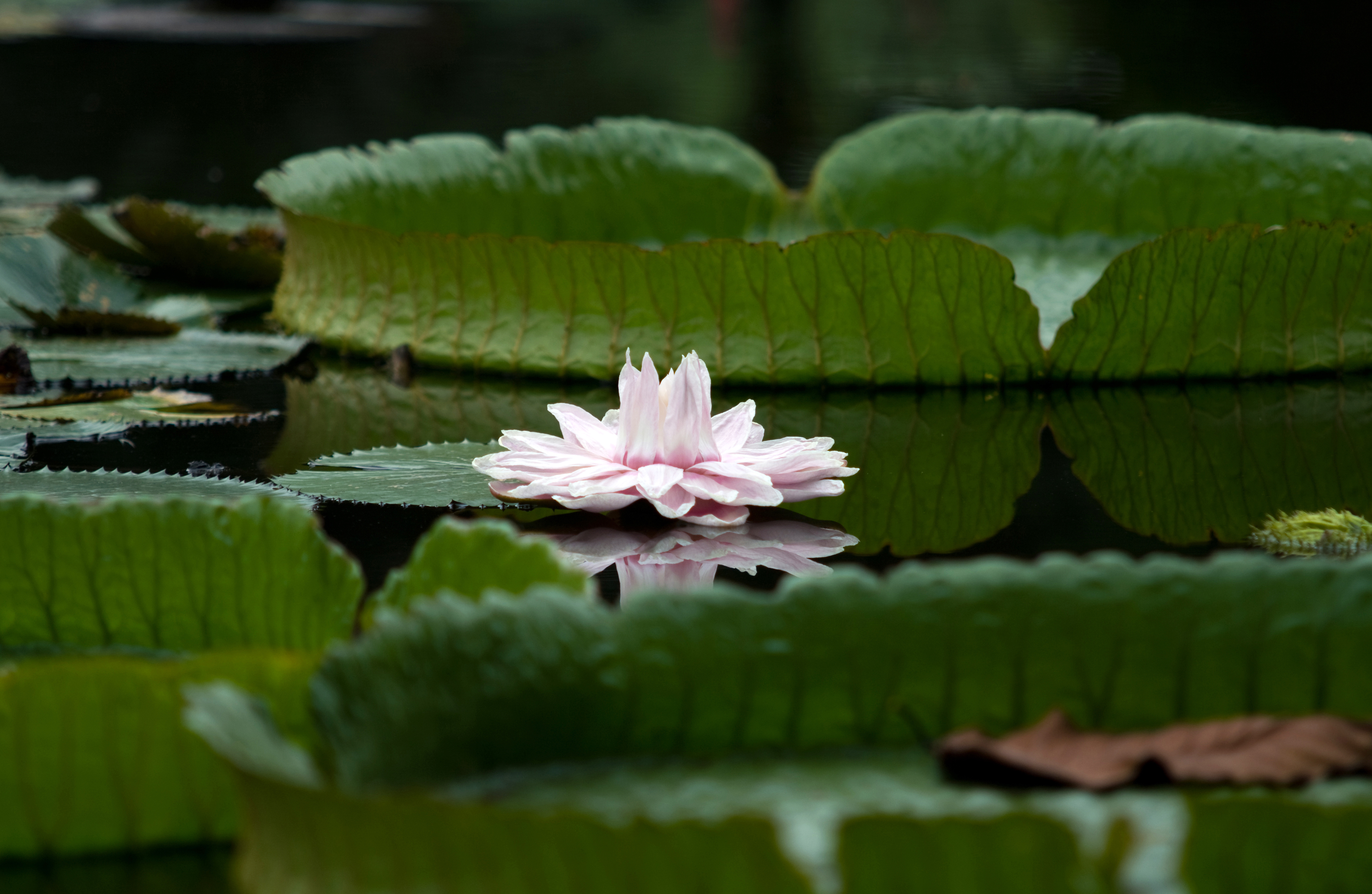
Photo of the Day (11 September 2015)

ppotd18

Happy Friday Everyone! This Friday we return to Puerto Rico to bring you the leaves of a Trumpet Tree (also referred to colloquially as Snakewood). The Trumpet Tree (Cecropia peltata) has been identified on the Global Invasive Species Database as one of the ‘worst 100’ invasive species. This is why we don’t bring seeds into foreign countries, kids.

– Hazel

Photo © 2015 Bryan Arroyo

Rule of Thirds

temple103

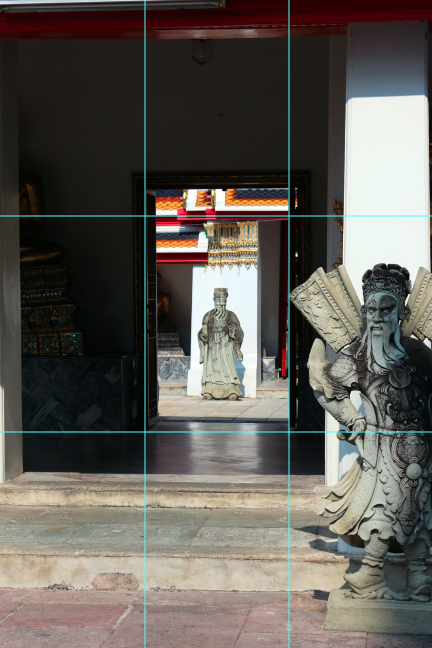
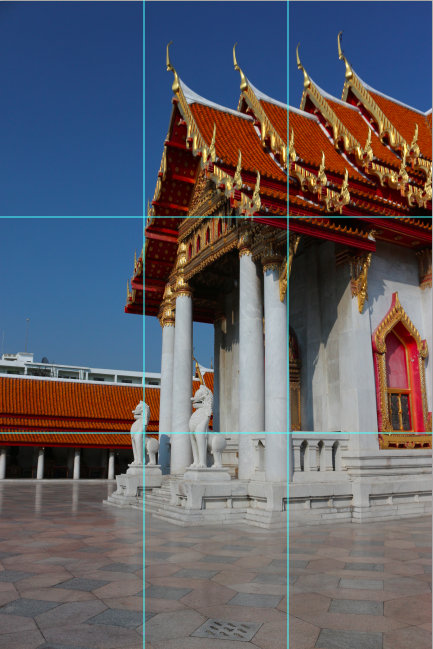
The rule of thirds is an element of design that is commonly referenced in the scope of photography. This rule is based off of using a grid (whether mental or on the display of a camera) in order to place the objects of interest in a photograph within either parameters of the grid or on the lines of the grid. Using the rule of thirds grid, an image is separated into three equal parts both vertically and horizontally. The intended subject of the photograph is subsequently placed either on one of the lines of the grid or within a column or row that is formed by the grid lines. By doing so, the eye of the viewer is drawn towards whichever element has been placed within the parameters of the grid. Below I have compiled a variety of examples of the rule of thirds being used. To emphasize this element of design, I have included the grid on the images.

Side note: All of these photographs were taken in Bangkok, Thailand
Screen Shot 2015-09-08 at 7.54.20 PM
 Here, we have two subjects, each occupying their own third of the vertical space. The negative space on the left side of the photograph gives a sense of balance to the photograph as a whole.
Screen Shot 2015-09-10 at 9.09.17 AM
 Again, we see that 2/3 of the space is occupied and is then balanced by a negative space, this time on the right side of the photograph.
Screen Shot 2015-09-10 at 9.11.12 AMI’m sure that you can see a recurring theme here. While it doesn’t have to stick to the grid precisely, the general point of the rule of thirds is to have an asymmetrical balance to the photograph. The rule can be used to draw attention to a subject or element that the photographer wants to highlight.
________________________________________________________________________
What do you think? Have you ever used the rule of thirds? Do you like the aesthetics of it or do you prefer a different placement scheme in your photographs? Let us know in the comments section.
– Hazel
Photos © 2015 Bryan Arroyo

Photo of the Day (10 September 2015)

ppotd4

Happy Thursday! This morning we have a lone Victoria Flower. The Victoria amazonica genus name was so given in honor of Queen Victoria of the United Kingdom and the species name comes from the water lily being indigenous to the waters of the Amazon river basin.

– Hazel

Photo © 2015 Bryan Arroyo

The Greater Yellowleg

yellowleg4

One of my favorite places is the Guanica State Forest. It became a nature reserve in 1919 and was designated by the United Nations as a Biosphere Reserve in 1981. In my opinion, and that of many others, Guanica is one of the best examples of a subtropical forest as well as dry forest in the Caribbean basin. A dry forest should be devoid of shore birds, the only exception being an area with seashore and even then, the shore birds should be limited to those areas with shoreline available. Guanica defies these expectations. Any depression that fills with water in Guanica attracts shore birds, allowing them to be found throughout the dry forest. These pools are essential as the highly endangered Puerto Rican Crested Toad lives in these unique water reserves. In fact, this specific location is designated critical habitat. I am very familiar with the area as it was one of my study sites for the work I did for my Masters Degree thesis in the late-1980s.

Fast-forwarding about 25 years, this particular day started with thick cloud cover. I thought to myself “Great, the light will filter itself naturally”. All morning long there had been intermittent drizzle. I was taking my fairly new Canon 7D through its paces at the time. Needless to say, I was concerned about the drizzle. I hiked two of the trails I had used for my research by the time I realized the drizzle was not going to stop. It was nearing noon and I was getting hungry. The only cover in the vicinity was a small area of mangroves. I kept my camera and 400mm lens on the tripod while I searched for my meal bar and water bottle. As I started to open the wrapper this Great Yellowleg lands at the edge of my lenses’ minimum focus distance. Slowly, I got behind the camera and took a few shots of the little fellow as he grabbed a morsel and took off. I couldn’t believe my luck at picking the spot and being able to get a good shot, seemingly out of nowhere. Afterwards, my luck continued to improve as the drizzle dried up and the day resulted in several good shots and even better memories.

– Bryan

Photo © 2015 Bryan Arroyo

Photo of the Day (9 September 2015)

ppotd19

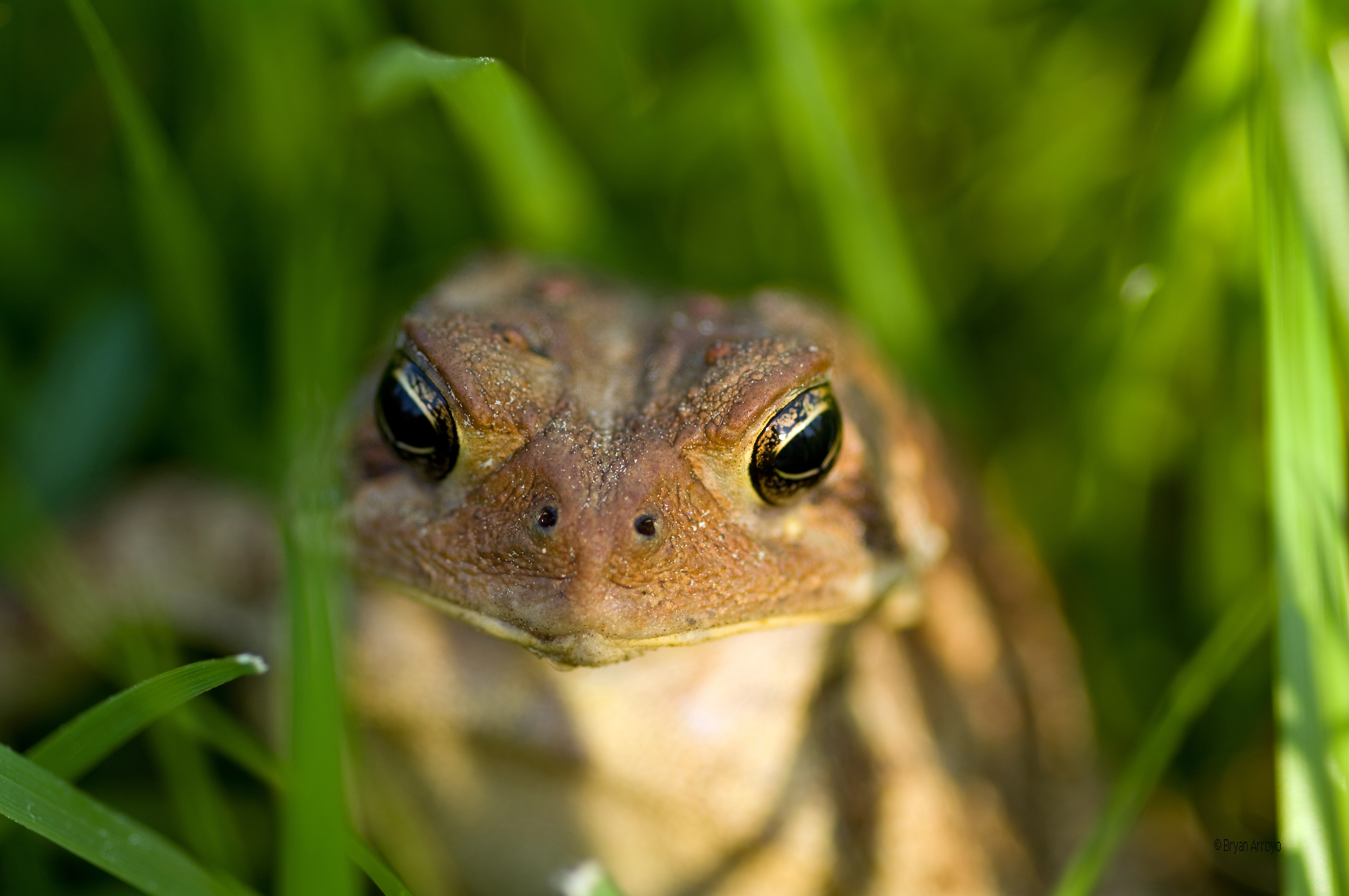
Happy Wednesday! Sometimes you need not look further than your backyard in order to find beauty in nature. This little guy (Spring Peeper Frog) was taken just steps away from our home. The Spring Peeper gets its name from its distinctive high-pitched call that is similar to the sound made by young chickens.

– Hazel

Photo © 2015 Bryan Arroyo

Photo of the Day (8 September 2015)

ppotd8

Happy Tuesday! This morning we have a gorgeous Giant Panda. As many of you likely know, the Giant Panda is unfortunately an endangered species. It is up to all of us to do our part to protect all of our precious species and resources on this earth that we all share.

– Hazel

Photo © 2015 Bryan Arroyo

Lessons From Light and Lens by Robert Hirsch: How Photography Changed the World

LF1

When I was in college, one of my photography instructors chose a book (Light and Lens by Robert Hirsch) that seemed inconsequential at the time, but recently I picked it up again to give it a second glance. In the beginning (seriously, not even twenty pages in), Hirsch discusses the importance of photography. He enumerates how photography is often used to store important memories, enabling people to become sentimentally attached to images. While I agree with Hirsch (sentimentality and memory keeping is an important aspect of photography), I believe that there is much more to photography than that.

Photography can inspire you, it can allow the truth to be shown to you, and it can allow people to come to realizations they wouldn’t have been able to in other ways. Photographs can provide inspiration based on the context of the memory that it brings back or based on the context of the photograph itself. This can be seen every day in news media. People are moved by stories that are played on news outlets for a very simple reason: the visual representation of emotions. While it may be done in certain instances to garner higher ratings, the main reason to include visual images of war, disease, famine, etc. is to elicit an emotional response from the audience. Part of this emotional response is to inspire people to action. To find an example, we have to look no further than the recent anniversary of Hurricane Katrina. When Katrina devastated the Gulf Coast ten years ago, the images that were being broadcast all over the country inspired a nation to come to the aid of our fellow citizens in their darkest hours of need. Ten years later, these images still hold the powerful emotions that inspired a nation to action.

Photography can show us the truth. Not only can we look at news coverage and argue that the truth is being shown to people, but in a more literal sense, the authorities use photographic imaging in order to help them uncover the truth. Part of the protocol for investigators is to not only sketch out a crime scene and take eyewitness testimony if it’s available, but they also photograph crime scenes. Not only does this help them visually represent the scene of the crime to a potential jury, but it also helps them to be able to go back in time to the original crime scene and examine it more thoroughly in order to find details that could be of vital importance that would’ve otherwise gone unnoticed. If photographic truth is enough for criminal investigations, it is certainly enough for me.

Without photography: we wouldn’t be able to recall our childhoods with such clarity, we wouldn’t be able to inspire millions in a call to action, we wouldn’t be able to discover the whole truth of a situation, in short, we wouldn’t have a representation of anything that was simultaneously accurate and emotional. Think about how many photographic images you see everyday. Without the vital purpose that photography fulfills, the world would be a very different place. When you piece together each individual use of photography, it is quite clear that its purpose extends beyond that of bringing back fondness and nostalgia. Photographs are quite literally a world into another place, another time, or another state of mind. In short, photographs have changed this amazing world.

– Hazel

Photo © 2015 Hazel Arroyo

Photo of the Day (7 September 2015)

ppotd14

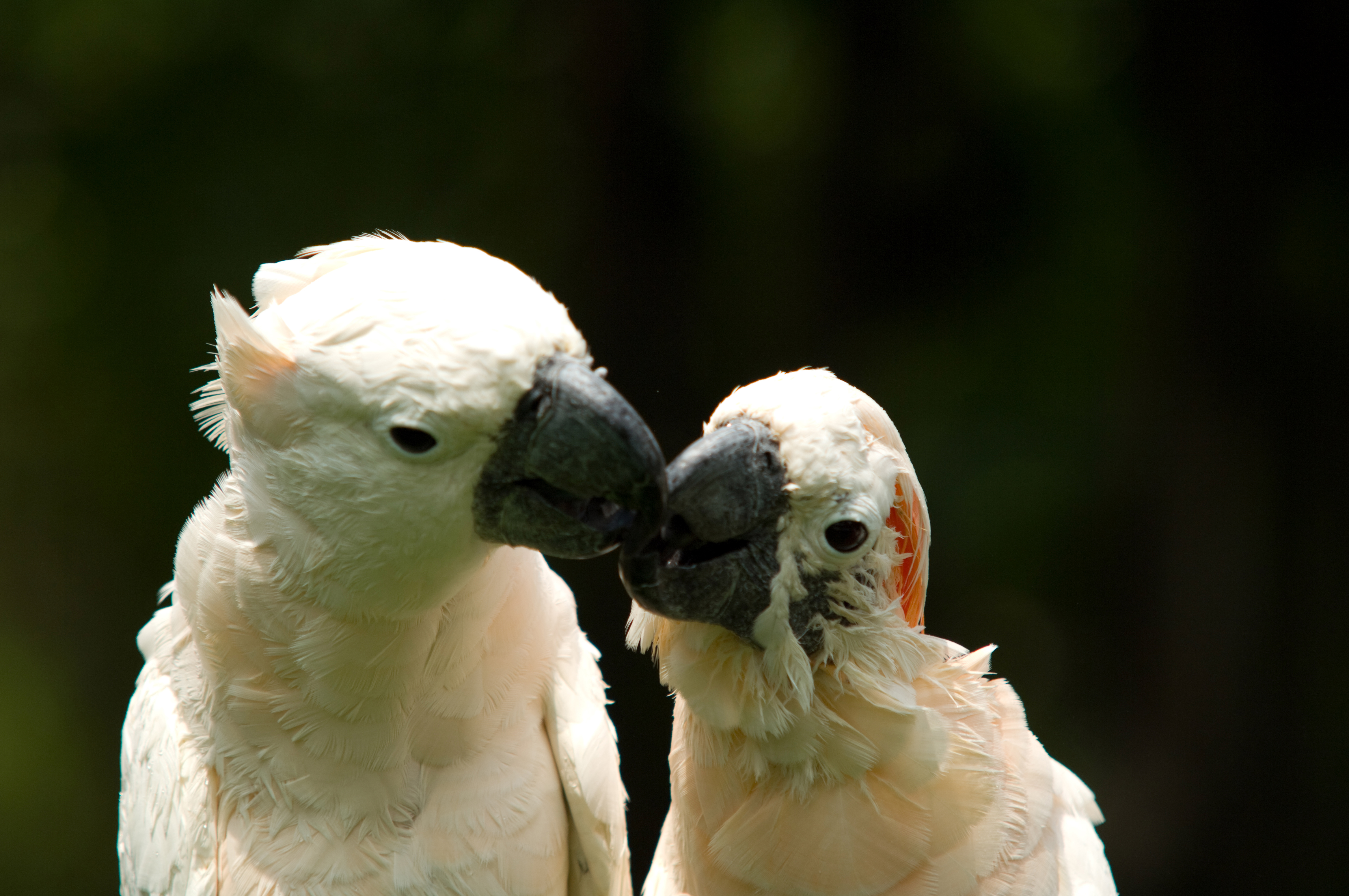
Happy Monday! For today we have a pair of cockatoos having some lovely nibbles. These birds are more intelligent than they appear; a recent study with Oxford University and the University of Vienna demonstrated that cockatoos are capable of solving “complex mechanical puzzles”.

– Hazel

Photo © 2015 Bryan Arroyo

Photo of the Day (6 September 2015)

ppotd15

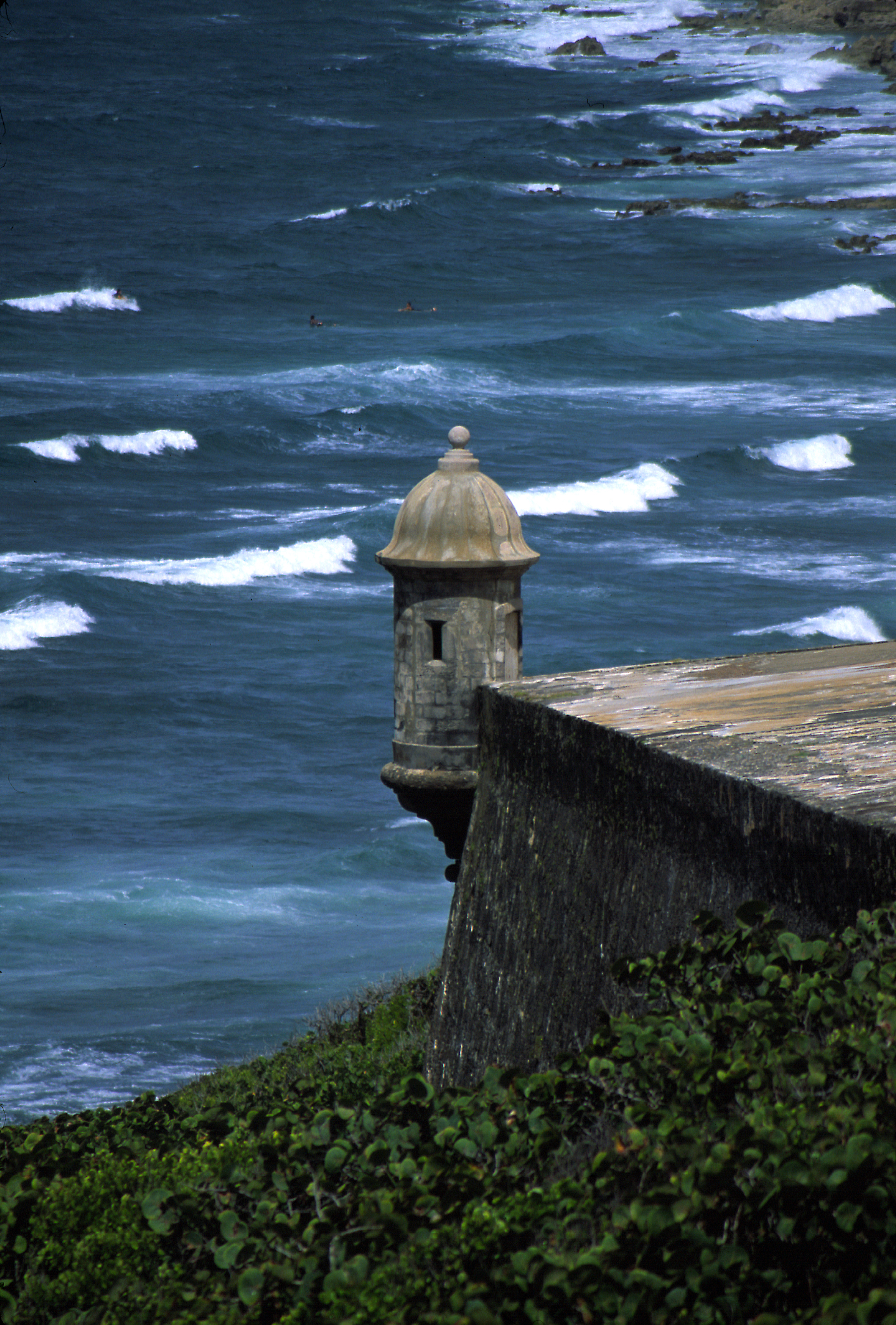
Happy Sunday! Today’s photo of the day was taken at Castillo San Felipe del Morro (commonly referred to as ‘El Morro’) in San Juan, Puerto Rico. First built as a Spanish fort in 1589, it was declared a World Heritage Site by the United Nations in 1983 and has since become an exclusive tourist destination.

Photo: © 2015 Bryan Arroyo