
Do you have any helpful tips that you like to use to help you with aperture? Let us know in the comments!
– Hazel
Infographic © 2015 Hazel Arroyo
Photography and Writing Blog
Tag: photo tips
Do you have any helpful tips that you like to use to help you with aperture? Let us know in the comments!
– Hazel
Infographic © 2015 Hazel Arroyo
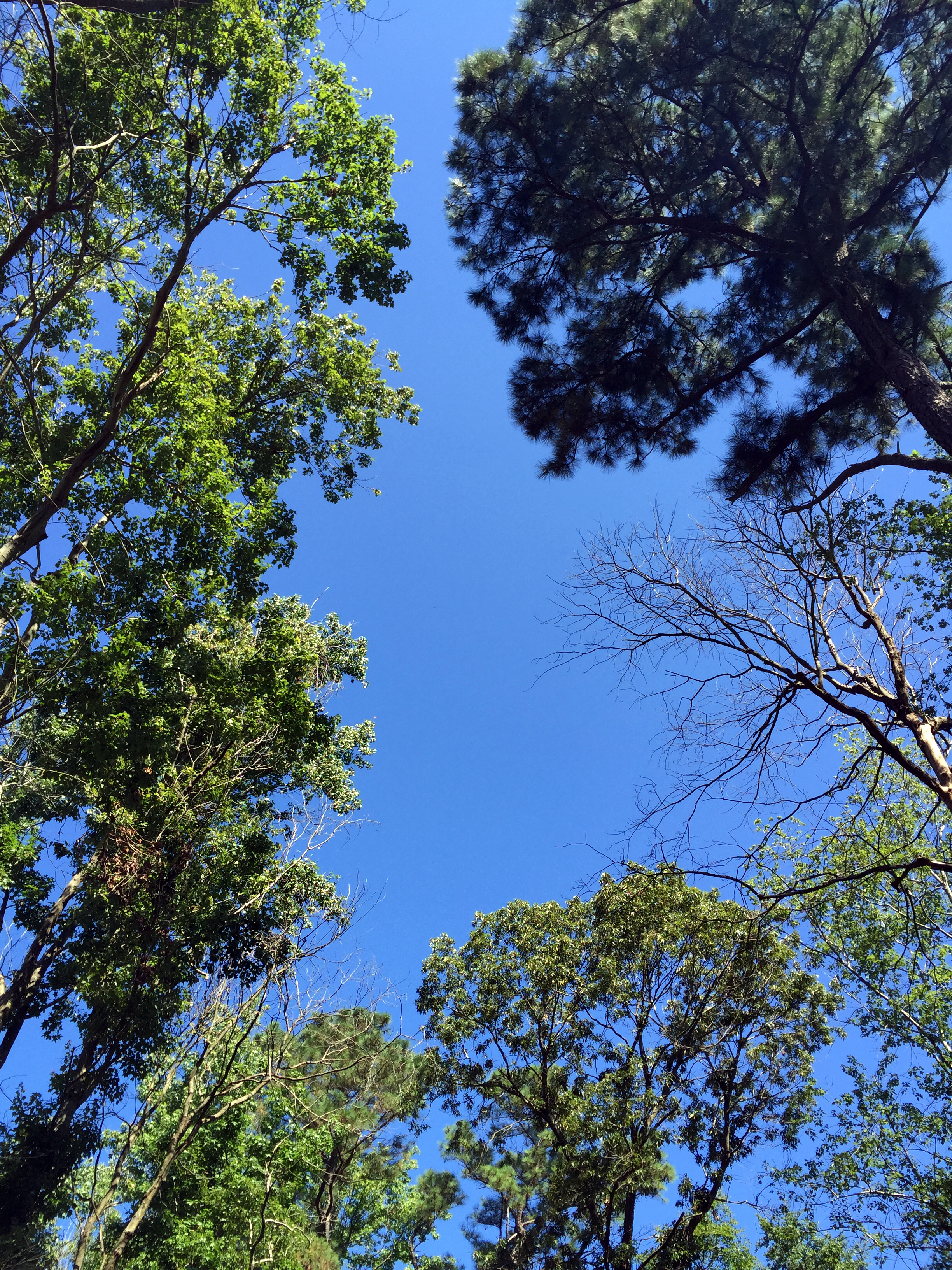
At one point or another, we’ve all gotten into a creative rut. Sometimes it just feels like you’ve run out of things to photograph. Sometimes you just don’t feel like taking pictures anymore. I’m willing to bet that deep down, we know it’s not true but we just don’t know what to do next. We feel lost in the creative doldrums. Here are some of the ways that I try to avoid getting stuck with photographer’s block:
1. Start with what is closest to you.
Take pictures of things around your house, apartment, room, backyard, street, park across the street, etc. Take pictures of anything and everything. If you’ve already done this, make it more challenging for yourself; make it so that you obscure what the subject is.
2. Focus in on a specific element.
Follow some sort of theme whether it is looking for a specific type of texture, or a pattern, or a color. Try it in a variety of scenarios and locations and see how you can carry the element from photo to photo.
3. Experiment with your camera and/or photoshop.
Have you never touched the ISO settings? Don’t know what changing your white balance will do? Start playing around with it. Learn about what it does and then find situations to test out the full spectrum of the function. Have you never used like 80% of the functions available in photoshop? Try them all out and play around with your favorites. Maybe you like using some of the artistic filters or playing around with hues; if you don’t try, you’ll never find out.
4. Try out new equipment.
Find a camera store or service that allows for camera equipment rentals. Try out a niche piece of equipment like a fish-eye lens, or filters, or a macro lens with a tripod and give it a go. I would recommend researching before going, not only to know how the equipment works before receiving it to save you time, but also make sure that if you are doing something like renting out a lens, you rent one that is compatible with your camera body.
5. Change the venue.
Check out all of the photos that you have taken in the last year. Now see where they all register geographically. Have you been photographing 10 square miles for a year? Maybe it’s time to try somewhere new. That’s not to say that you need to fly halfway around the world (although it would probably be amazing). Maybe it’s a matter of going to an area of town you’ve never photographed before. Or maybe there’s a mountain with great hiking trails an hour’s drive away. Change it up.
6. Try a different photography style.
Do you consider yourself a nature photographer? Try your hand at street photography. Have you only taken pictures of people? Try taking some wildlife or still-life photographs. You never know what styles you might enjoy working with, and who knows, maybe the eye that you have developed doing one type of photography can make for an interesting take on a different genre of photography.
Happy Photographing!
– Hazel
Photo © 2015 Hazel Arroyo

Film speed is the way to measure the light sensitivity of film or digital imaging systems. This is measured using a numerical scale. The common modern scale is the ISO (International Organization for Standardization – I have no idea why it isn’t IOS, but I don’t make the rules). Film that requires less light during exposure is more sensitive to light and is considered fast film. Film that requires more light is less sensitive and is considered to be slow film. For both film and digital photography, when exposure is reduced because of the use of more sensitive film (or digital sensors) the image quality is reduced because courser image grain and more image noise is the by-product of a higher sensitivity.
To put this into the simplest terms: the higher the number of your ISO, the faster the film speed; the faster the film speed, the more grain/noise will appear in the image.
So why should I ever go higher than the lowest setting? In situations where there is very little available light (think dark restaurants, concert venues, etc.), using a higher ISO can allow for a correct exposure without necessarily having to change your shutter speed or your aperture (F-stop). Since there is little available light, the grain/noise that is created by the higher ISO is not visible.

That being said, if you were to use a high ISO in a location where there is a good amount of available light (think outdoors on a sunny day), you can still get a correct exposure, but the image will be incredibly grainy and have a lot of background noise. (If you have difficulty seeing the grain, click on the image below and you can zoom in further).
ISO was one the mistakes that I made most often while learning to use my DSLR in Manual (and one that I sometimes still make when I’m not paying attention). I think it was because the technicality of the concept initially just went straight over my head and it wasn’t until I understood the ‘theory’ of it that I actually learned how to use it. It was a mistake that was second only to figuring out how and why to change my aperture; a topic that I will cover next week. In the meantime, happy photographing!
– Hazel
Photos (1 and 2) © 2015 Hazel Arroyo
Photo (3) © 2015 Bryan Arroyo

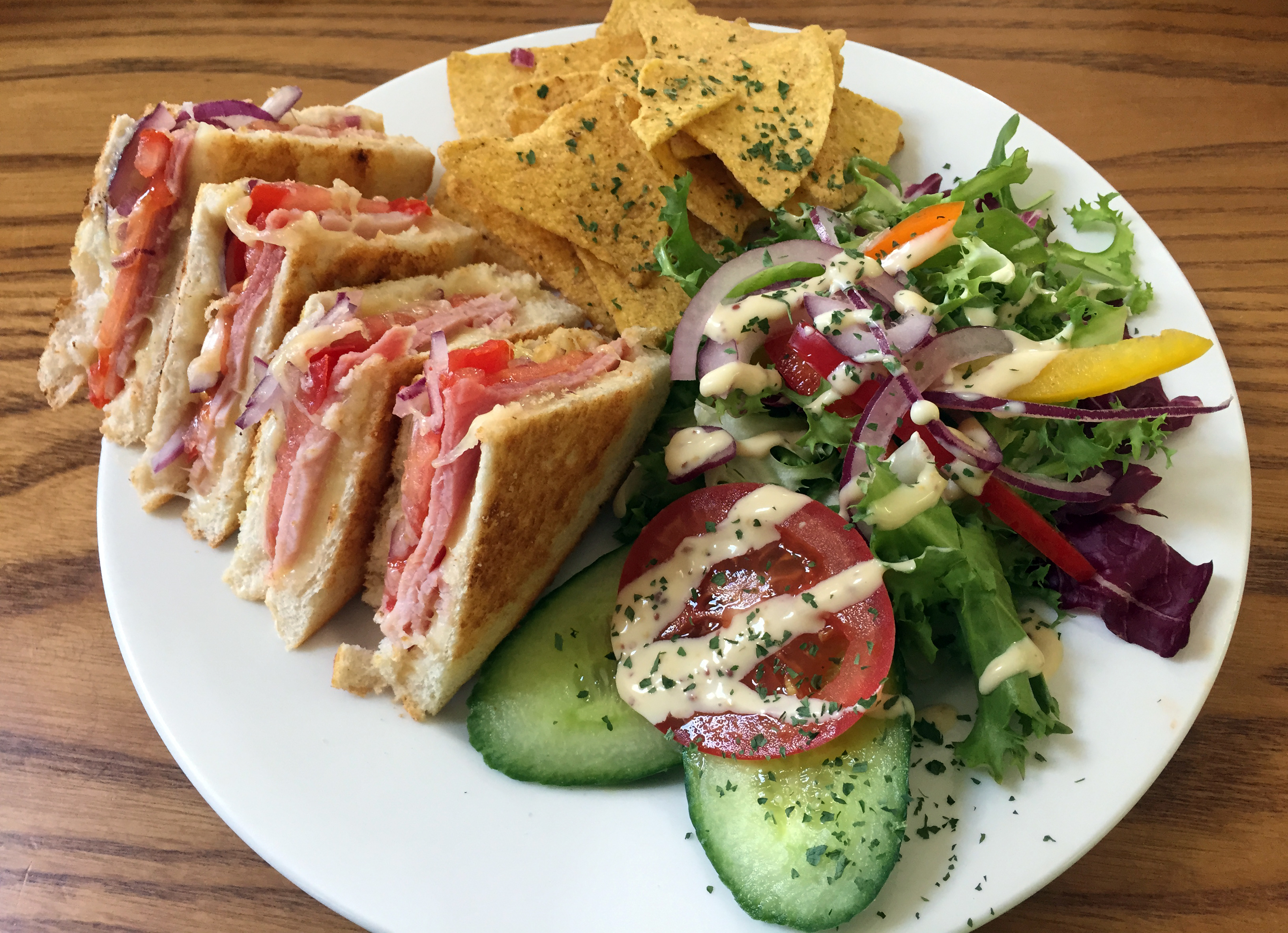
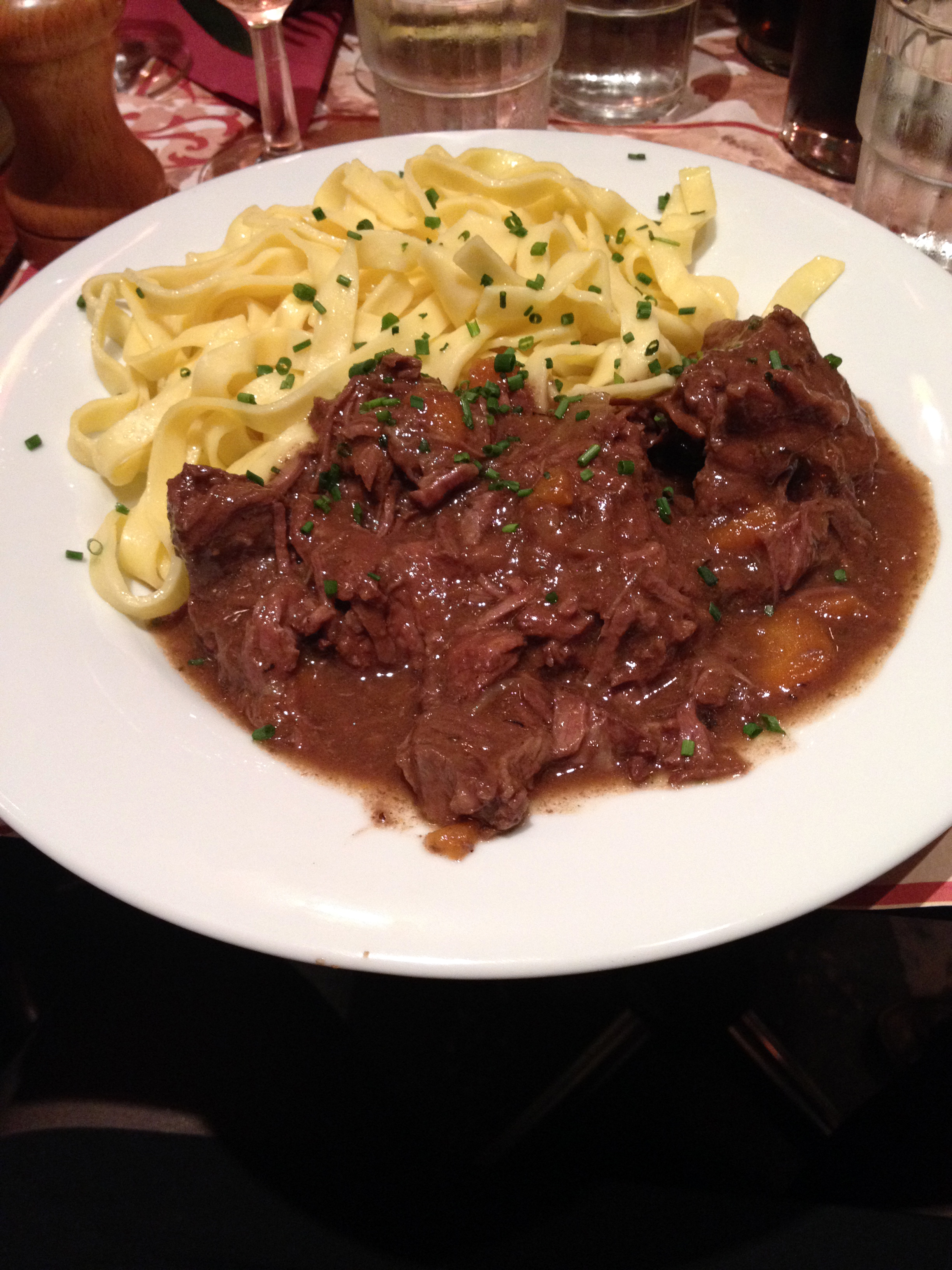
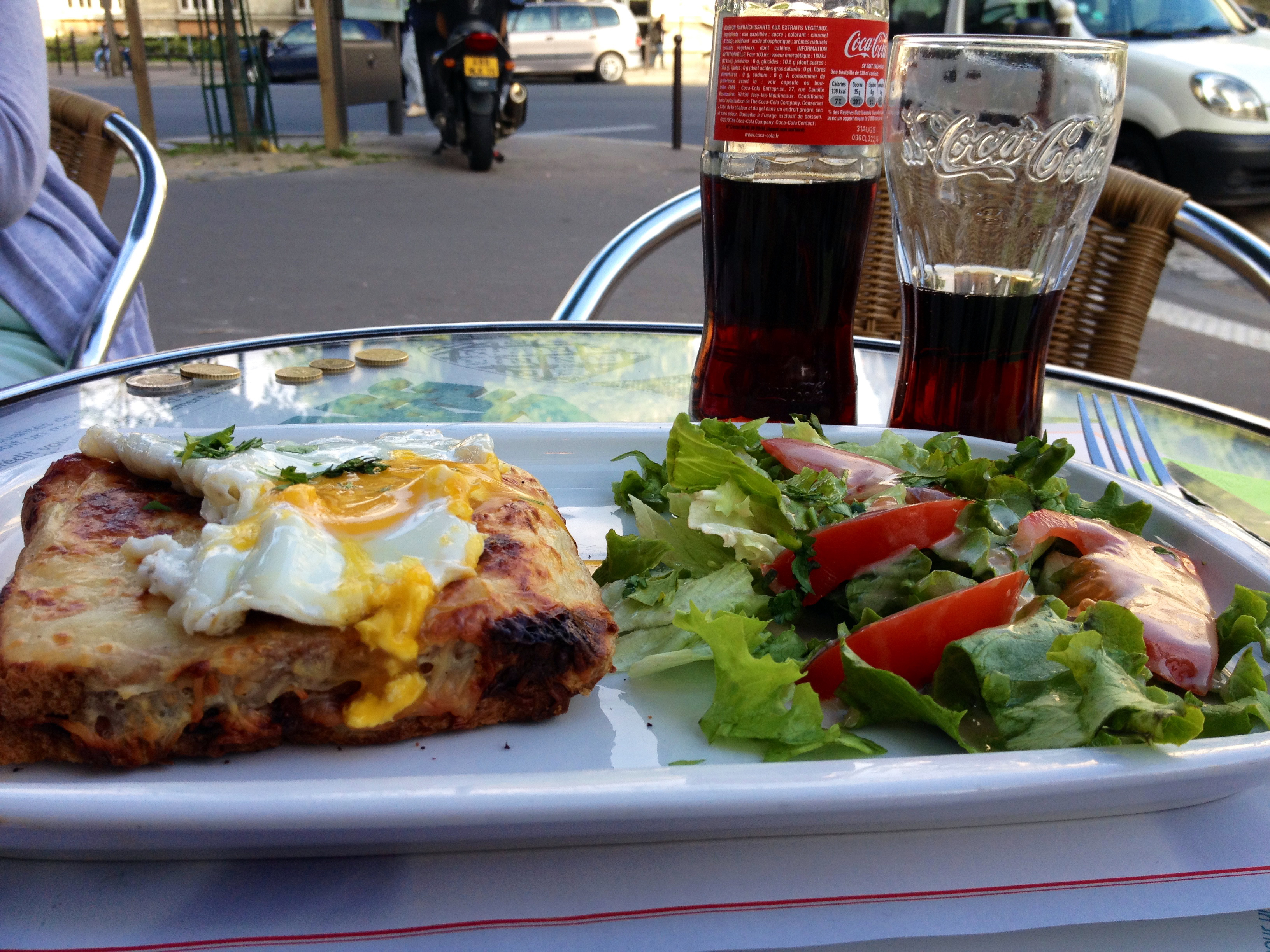
I’m sure you’ve seen those people. You know who I’m talking about. Those people who seem to have an errant need to photograph every waking moment of every single day with their smartphones. You may have noticed that this need has extended itself to meal time. While some people may scoff at how vain people can be, to the point where they photograph their food instead of eating it, I see it differently. While having adventures abroad, I found that taking pictures of my food was a ritual which has been a blessing in disguise. By taking images of the enticing and occasionally strange foods I’ve eaten, I inadvertently created a reference point in time for myself. Whenever I look back on an image of a meal that I had, not only am I able to recollect the amazing flavors that I was tasting at the time, but I am also able to remember the amazing company that I had, as well as the fond memories that I now share with those people. It is because of this that I am able to look at a plate of bangers and mash and smile with fondness and regard for an amazing set of people that I would have never otherwise met.


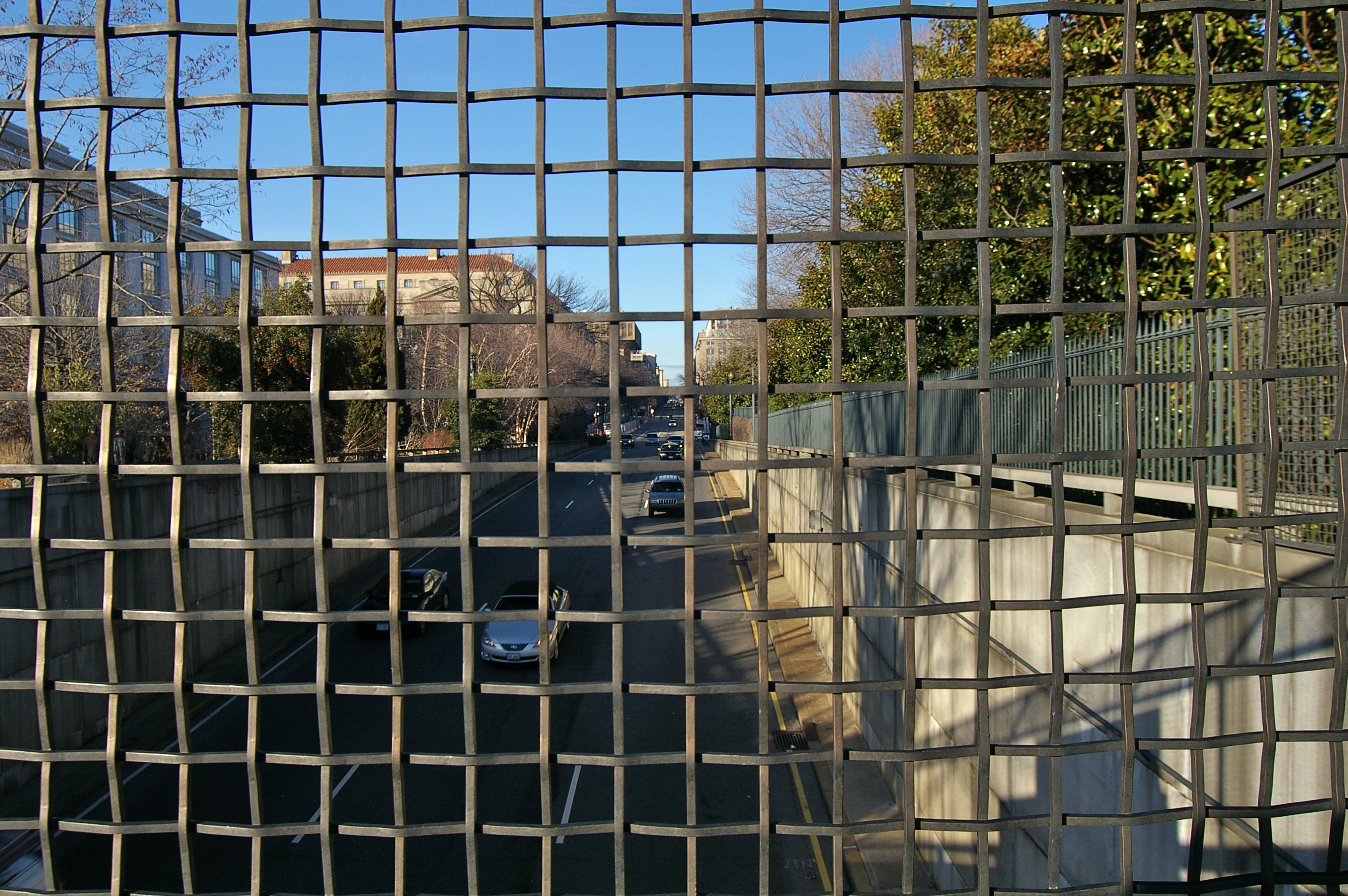
Just before I turned 13, my family moved to Washington D.C. because of my dad’s job. Initially, I was afraid. I was moving to a new and large place, I had no friends, and I was going into 8th grade – one of the most awkward periods in my life thus far. But at the same time, I couldn’t help but feel that this would be a positive change in my life. I would get to have a fresh start by going on this grand adventure with my family. So, with that feeling in tow, I set off as fearlessly as I could with my family to this new, strange, and populous city. As it turns out, Washington D.C. is one of the most expensive places to live, so instead of moving to the city, we landed in the suburbs of Northern Virginia. The ‘burbs are not the most exciting of places to live, quite frankly, but the more I grew up here, the more they started to grow on me. The close proximity to the city gives us the ability to do all of the metropolitan excitements while still having a place to retreat away from all of the noise. This series, titled “Around Town” is my way of showing off the best of both worlds. Some weeks I will stick to the 202 (inside of the city limits) and some weeks I’ll show the hidden gems that lie just outside of the city.
This week, I’m just going to highlight the DC that I see. Not the one with all of the tourists and travelers. The one that hides its urban beauty in the details. Some people walk around this city and see only buildings and monuments. When I look, I see marvels of architecture, I see wonders of art, I see an intricacy of detail. Once you pull away from the magnet of the Smithsonians and the monuments and the tourist traps and allow the city to speak to you, boy does it really start to sing.
– Hazel



Photos © 2015 Hazel Arroyo
 Shoestring Filter