Tag: DSLR

Photo of the Day (30 September 2015)

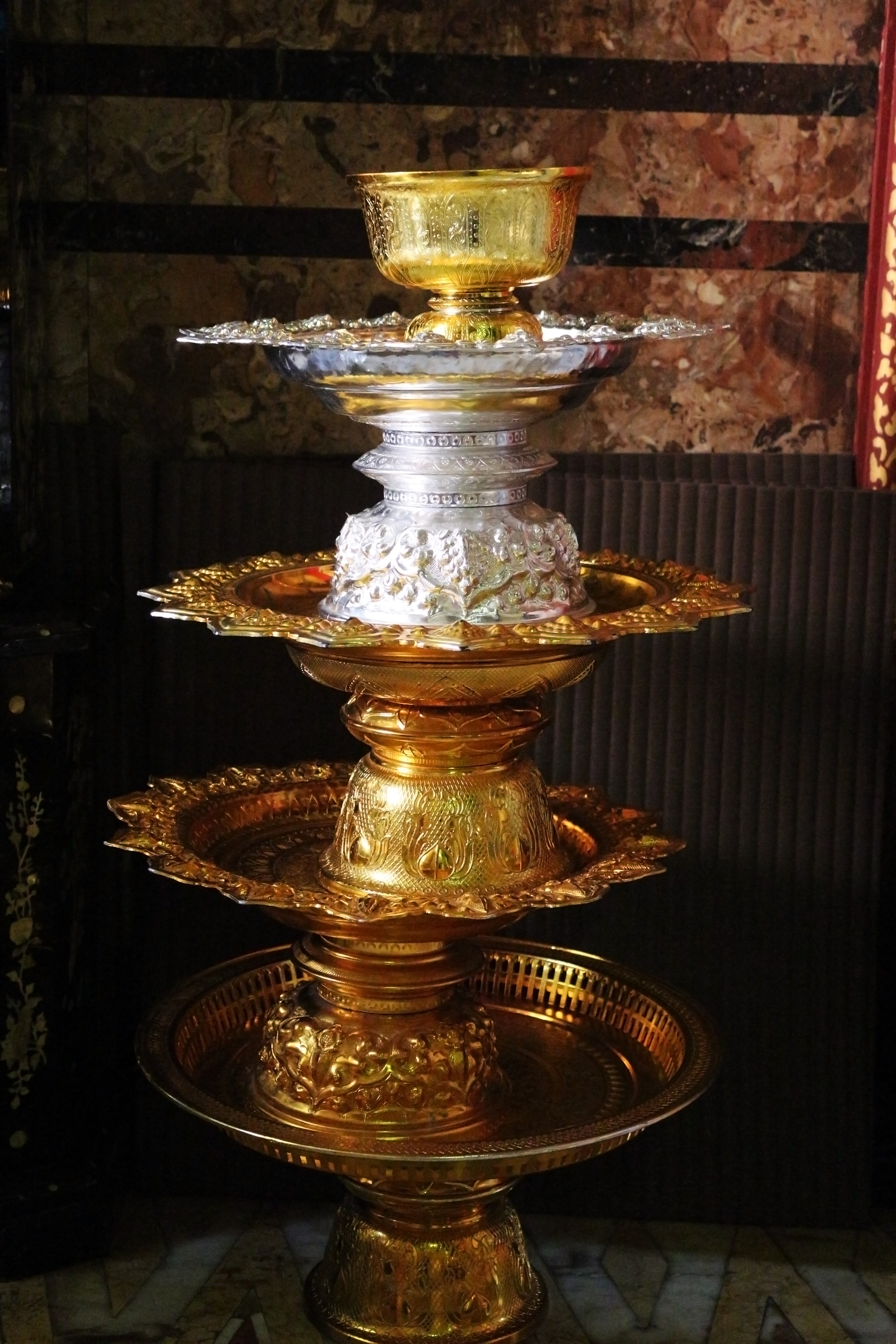
Thailandtrays2

Happy Wednesday Everyone!

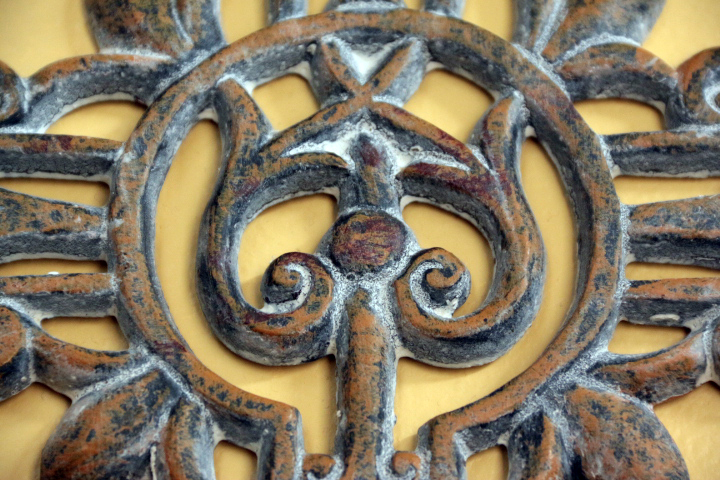
This morning we have ornate trays that were stacked at the Buddhist temple, Wat Benchamabophit Dusitvanaram in Bangkok, Thailand. Wat Benchamabophit is also known as the Marble Temple and is well known for its ornate architecture and fixtures. There are so many beautiful areas in this temple that I’m sure this will not be the last photo that we share from Wat Benchamabophit. Have a great day everyone!

– Hazel

Photo © 2015 Bryan Arroyo

Photo of the Day (29 September 2015)

snowy egret BombayHook

Happy Tuesday Everyone!

Today we have a Snowy Egret (Egretta thula) from Bombay Hook National Wildlife Refuge in Smyrna, Delaware. In the past, the plumage of the Snowy Egret was highly sought after for use in hats and the populations dwindled quickly to dangerous levels. It all turned around for the Snowy Egret in 1918 when they became protected under the Migratory Bird Treaty Act of 1918. They have since rebounded the population to a ‘Least Concern’ conservation status.

– Hazel

Photo © 2015 Bryan Arroyo

Photo of the Day (28 September 2015)

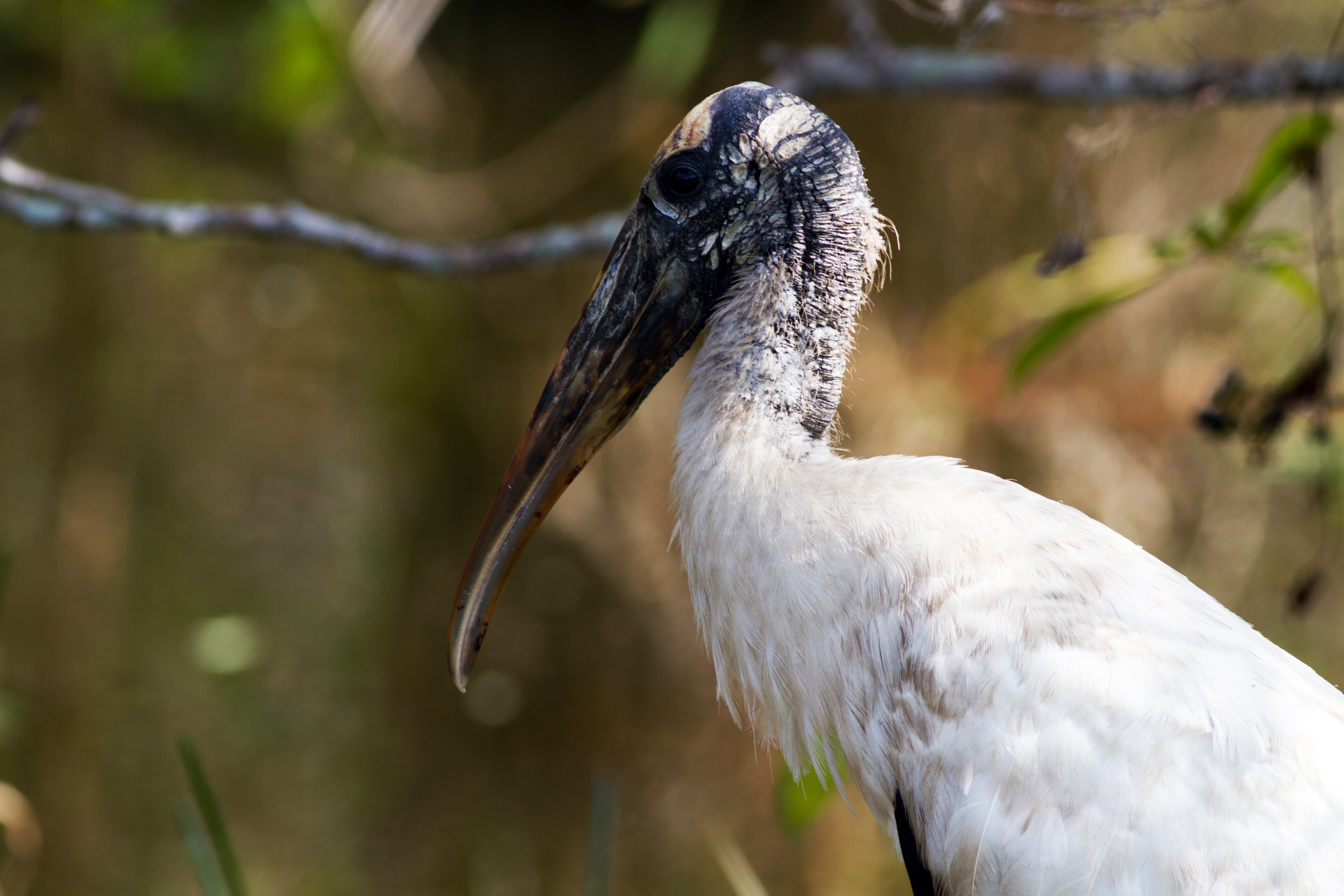
Floridastork20

Happy Monday Everyone!

This morning we have a Wood Stork (Mycteria americana) that was photographed in Florida. The wood stork was declared to be a threatened species by the US Fish and Wildlife Service on June 26, 2014. Every time that a species becomes threatened or endangered, it should be seen as a call to action on the part of the person that looks back at you in the mirror. We all need to do our part to protect the Earth that we share with millions of other species.

– Hazel

Photo © 2015 Bryan Arroyo

Photo of the Day (27 September 2015)

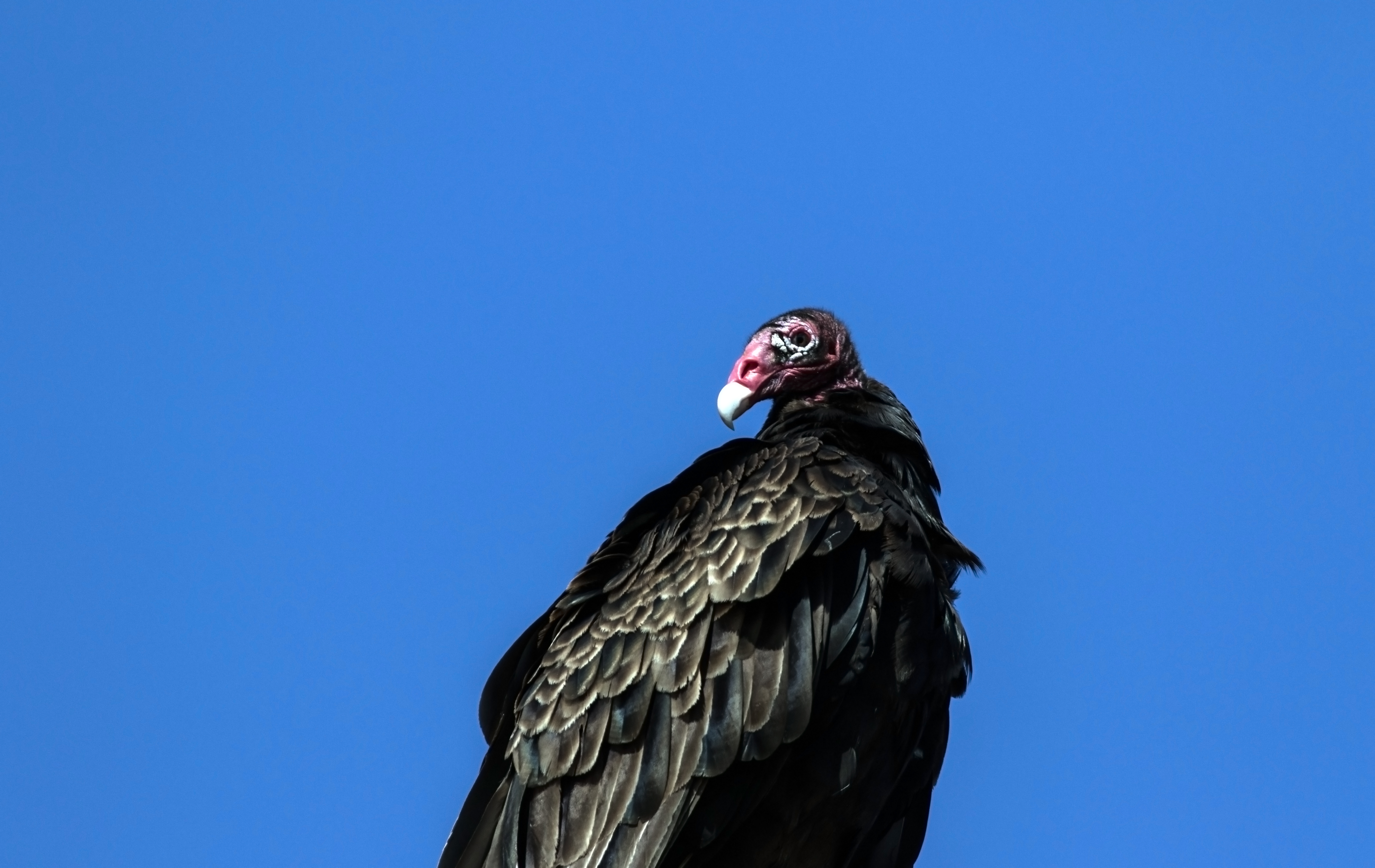
tvulturePrimeHook

Happy Sunday Everyone!

This morning we have a Turkey Vulture that was photographed at Prime Hook National Wildlife Refuge in Milton, Delaware. Prime Hook was established in 1963 for the use of being a sanctuary and management area for migratory birds. It consists of over 10,000 acres of land, much of it wetlands; perfect for the management of migratory birds. Hope everyone is enjoying their weekend!

– Hazel

Photo © 2015 Bryan Arroyo

Photo of the Day (25 September 2015)

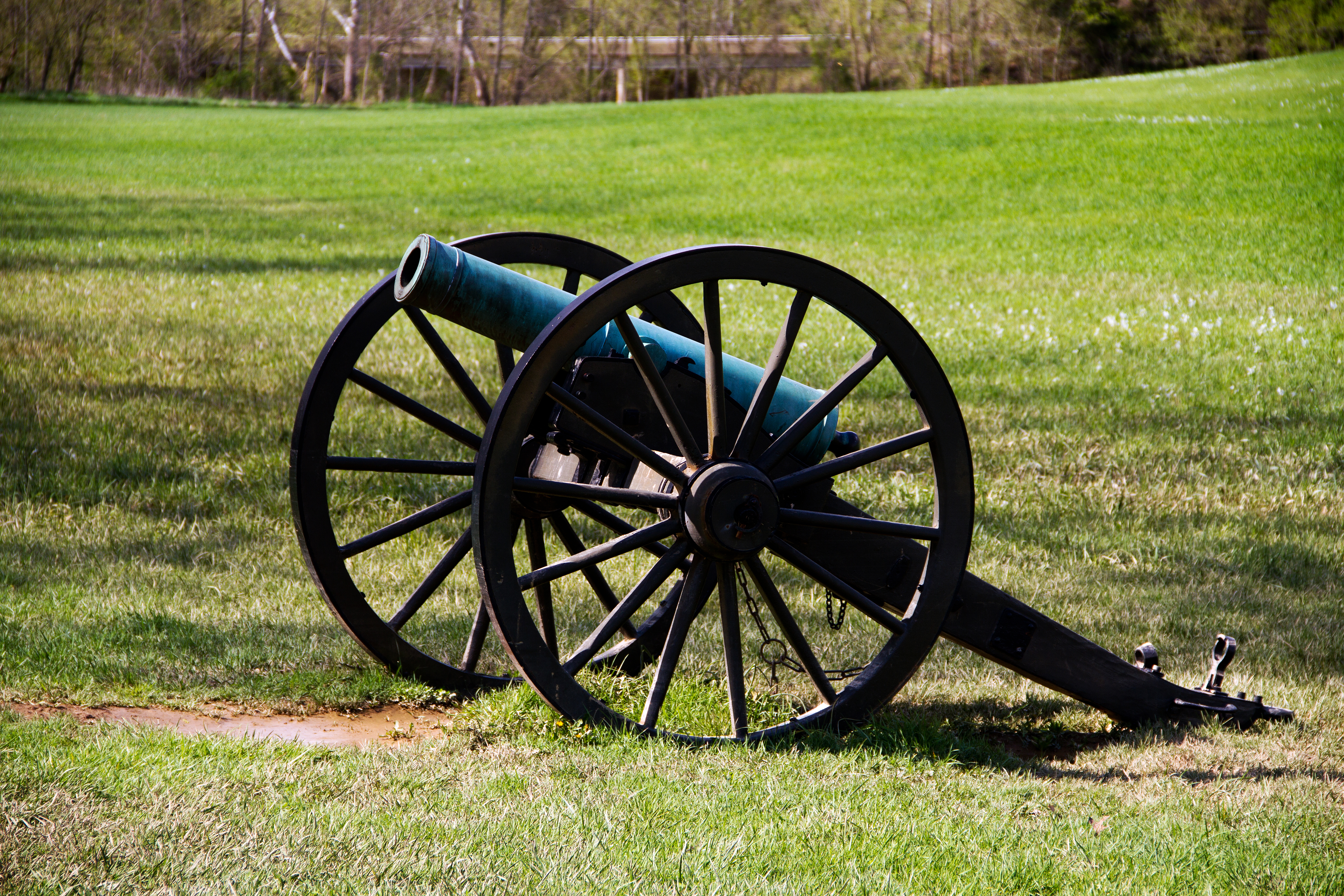
antiteam26

Happy Friday Everyone!

Today we have a cannon from Antietam National Battlefield in Maryland. The Battle of Antietam was the first major battle during the American Civil War that took place in Union territory. It was also the most deadly single-day battle in American history. The Union performance at Antietam gave President Lincoln the confidence to make the Emancipation Proclamation shortly thereafter. Currently, Antietam is known as one of the best preserved Civil War battlefields. It is certainly one of the most hauntingly beautiful places to visit.

– Hazel

Photo © 2015 Bryan Arroyo

ISO: What? Why? …what?

IMG_2838

Film speed is the way to measure the light sensitivity of film or digital imaging systems. This is measured using a numerical scale. The common modern scale is the ISO (International Organization for Standardization – I have no idea why it isn’t IOS, but I don’t make the rules). Film that requires less light during exposure is more sensitive to light and is considered fast film. Film that requires more light is less sensitive and is considered to be slow film. For both film and digital photography, when exposure is reduced because of the use of more sensitive film (or digital sensors) the image quality is reduced because courser image grain and more image noise is the by-product of a higher sensitivity.

To put this into the simplest terms: the higher the number of your ISO, the faster the film speed; the faster the film speed, the more grain/noise will appear in the image.

So why should I ever go higher than the lowest setting? In situations where there is very little available light (think dark restaurants, concert venues, etc.), using a higher ISO can allow for a correct exposure without necessarily having to change your shutter speed or your aperture (F-stop). Since there is little available light, the grain/noise that is created by the higher ISO is not visible.

Travel

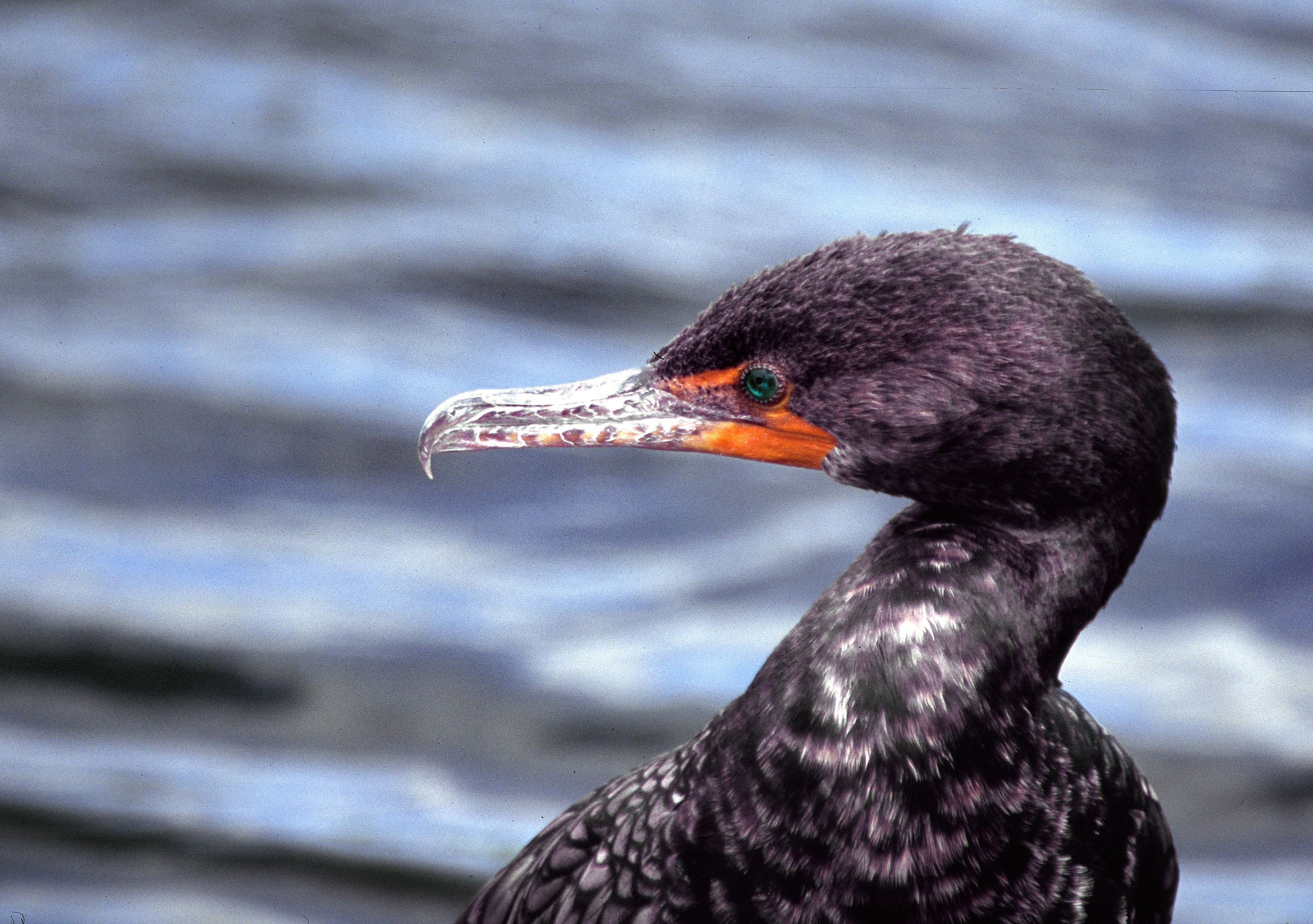
That being said, if you were to use a high ISO in a location where there is a good amount of available light (think outdoors on a sunny day), you can still get a correct exposure, but the image will be incredibly grainy and have a lot of background noise. (If you have difficulty seeing the grain, click on the image below and you can zoom in further).

cormorant

ISO was one the mistakes that I made most often while learning to use my DSLR in Manual (and one that I sometimes still make when I’m not paying attention). I think it was because the technicality of the concept initially just went straight over my head and it wasn’t until I understood the ‘theory’ of it that I actually learned how to use it. It was a mistake that was second only to figuring out how and why to change my aperture; a topic that I will cover next week. In the meantime, happy photographing!

– Hazel

Photos (1 and 2) © 2015 Hazel Arroyo

Photo (3) © 2015 Bryan Arroyo

Photo of the Day (24 September 2015)

blackvulture5

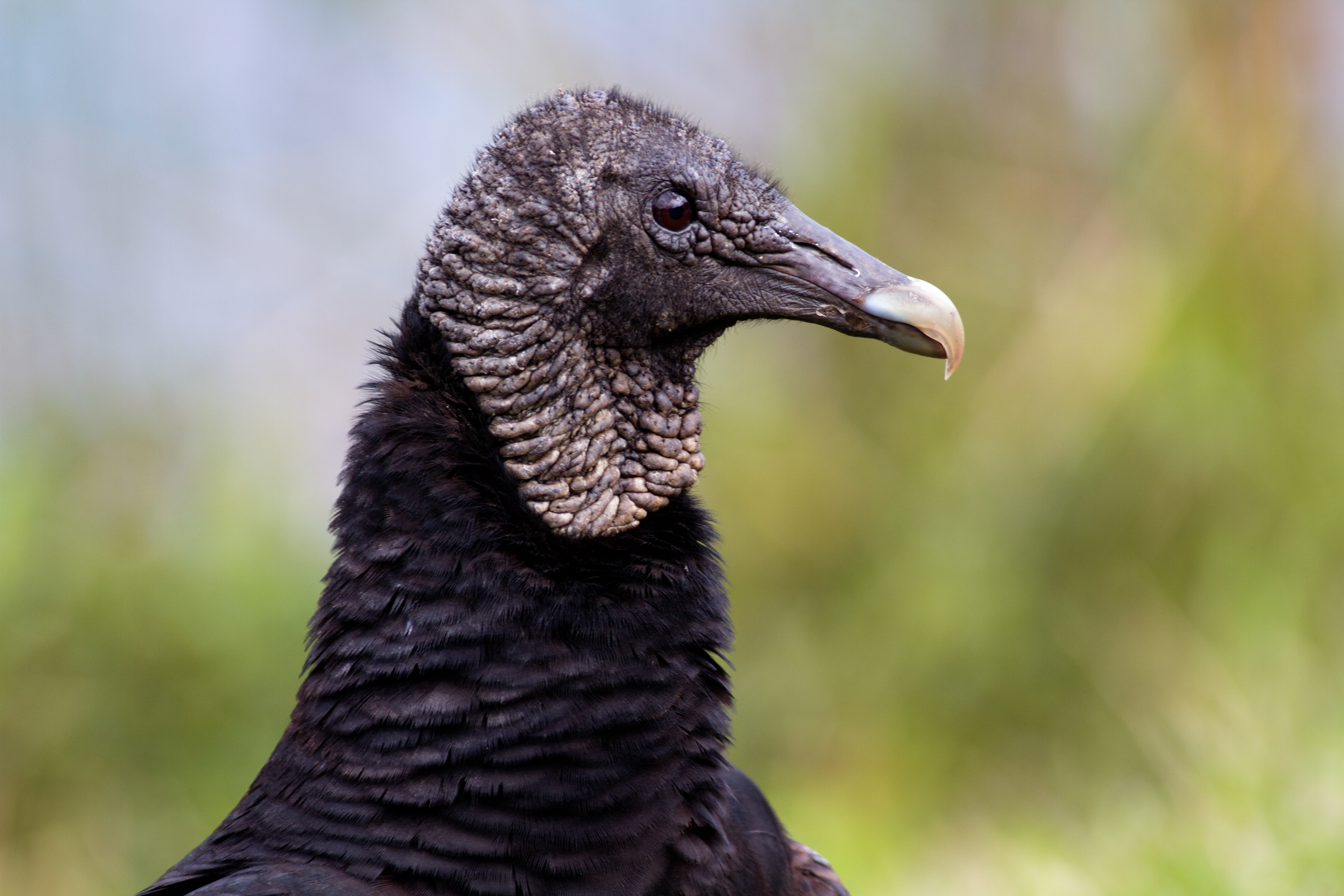
Happy Thursday! Today we have a black vulture from Everglades National Park in Florida. Everglades National Park is the largest subtropical wilderness in the United States and is home to many endangered and rare species, the most well-known being the Florida Panther, American Crocodile, and Manatees. The Everglades are a World Heritage Site, Wetland of International Importance, International Biosphere Reserve, and is protected under the Cartagena Treaty. Have a great day everyone!

– Hazel

Photo © 2015 Bryan Arroyo

Photo of the Day (23 September 2015)

DSC_0056

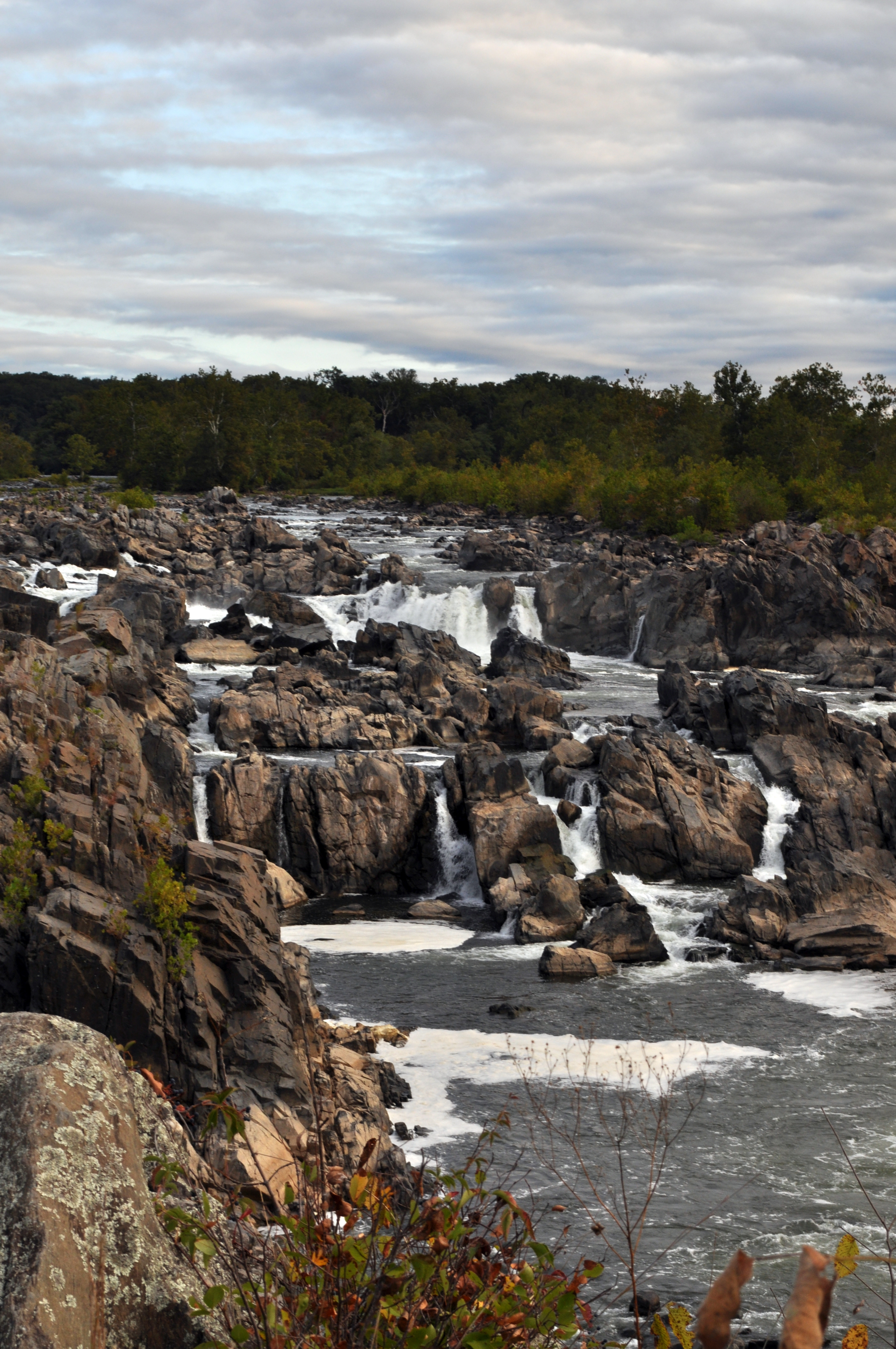
Happy Wednesday! This morning’s Photo of the Day was taken this weekend at Great Falls Park in McLean, Virginia. Great Falls borders the Potomac River and include the Patowmack Canal: a canal which was partially funded by George Washington and began operating in 1785 for the distribution of manufactured goods. Have a great day everyone!

– Hazel

Photo © 2015 Hazel Arroyo

Meadowlark Botanical Gardens

DSC_0003

Just about 30 minutes outside of Washington DC in Vienna, Virginia awaits Meadowlark Botanical Gardens. Meadowlark well known for their extensive collection of botanicals as well as their annual Winter Walk of Lights which runs from late autumn through the middle of winter. The photos that I am sharing today are from when my family went for Father’s Day. We spent our entire day walking the trails and photographing the botanicals, birds, and other critters that were out and about. As a family that appreciates the beauty offered by the outdoors, we consider Meadowlark to be truly one of the gems of Northern Virginia.

DSC_0016 DSC_0032 DSC_0035 DSC_0049

DSC_0009 DSC_0026 DSC_0047 DSC_0055

Where do you like to go to photograph? Are you more of an outdoor photographer, or does the urban bustle do it for you? Let us know in the comments below. Have a great weekend everyone!

– Hazel

Photos © 2015 Hazel Arroyo

Lessons From Experience

DSC_0078

In this day and age, smartphones have become increasingly common among the general population. With this kind of accessibility to photography all of the time, it wouldn’t be a difficult leap for this to inspire people to pursue DSLR (Digital Single-Lens Reflex) photography, either as a hobby or as a profession. Yet, DSLR photography seems to be declining. Many ponder, “why should I carry around this large and conspicuous piece of expensive equipment when I could just take pictures with my phone”?

Personally, I find myself on the fence when it comes to deciding if DSLRs are better or worse than smartphones. For me, it depends on the situation and it depends on the individual. Smartphones have recently come out with increasingly sophisticated cameras. Case in point, at Apple’s press conference last week, they announced that their new iPhone will have 4K video recording capabilities. Almost every smartphone has a camera whose megapixels rival that of most DSLRs on the market. Smartphones are much more user-friendly than a DSLR which, at a glance, may seem intimidating to the average person. The bottom line is that smartphones have made creativity more accessible to more individuals. Smartphones have become a creative outlet for the masses who are only interested in taking a creative shot but don’t want to have to learn about the settings of a camera. The same could be said for other photographing alternatives such as point-and-shoot cameras and interchangeable lens cameras (ILCs).

Situationally, bringing a DSLR is not always feasible to the average person and smartphones have been able to overcome this boundary. Sometimes when attempting to travel light, forgoing your DSLR for something lighter may be a better option. But, it boils down to asking yourself, will you be okay with forgoing a better image for the sake of traveling lighter? Bringing me back to my original point: it depends on the person.
IMGP0540a

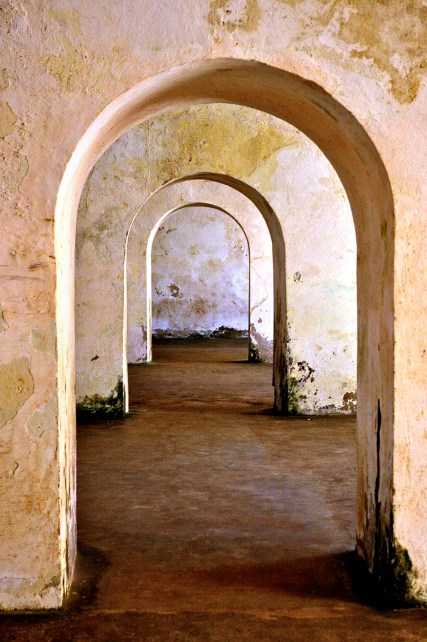
So the question then remains: with all of the advancements and advantages of having a smartphone, point-and-shoot, or ILC, why then would anyone bother with a DSLR? To some, photography is not just a way for people to remember moments. To some, photography is a unique form of art that allows us to make something more of the physical world. Someone may look in a room and see just a room. A photographer may look in a room and see a whole world of possibilities. The camera is the photographers paint, brushes, and canvas all in one. Like any other artist, photographers need equipment that they are comfortable with, can manipulate easily, and can manipulate incrementally.

I would akin photography in many ways to video gaming. Both can be hobbies or professions. If someone is a casual video gamer, they probably have some game apps on their phones or might own a casual console such as the Nintendo Wii. A casual photographer if probably best suited by their high megapixel smartphone, a point-and-shoot, or an ILC. Now the more hardcore gamers might have several iterations of gaming consoles or may have even gone so far as to build their own computers specifically for gaming. Similarly, a hardcore photographer will most likely have a DSLR (or two) and be intimately familiar with each function that their camera is capable of. In the end, the opinion of the value of getting a DSLR varies depending on the level of commitment to the craft. For most, this probably rules out getting a DSLR because minute variations aren’t that important. For some, these seemingly minute variations are what make the difference between remembering a moment and capturing one.

What do you think? Have smartphones allowed for more creative people to express themselves? Have smartphones watered down photography with the selfie generation? Let us know what you think in the comments.

– Hazel

Photos © 2015 Hazel Arroyo