
Film speed is the way to measure the light sensitivity of film or digital imaging systems. This is measured using a numerical scale. The common modern scale is the ISO (International Organization for Standardization – I have no idea why it isn’t IOS, but I don’t make the rules). Film that requires less light during exposure is more sensitive to light and is considered fast film. Film that requires more light is less sensitive and is considered to be slow film. For both film and digital photography, when exposure is reduced because of the use of more sensitive film (or digital sensors) the image quality is reduced because courser image grain and more image noise is the by-product of a higher sensitivity.
To put this into the simplest terms: the higher the number of your ISO, the faster the film speed; the faster the film speed, the more grain/noise will appear in the image.
So why should I ever go higher than the lowest setting? In situations where there is very little available light (think dark restaurants, concert venues, etc.), using a higher ISO can allow for a correct exposure without necessarily having to change your shutter speed or your aperture (F-stop). Since there is little available light, the grain/noise that is created by the higher ISO is not visible.

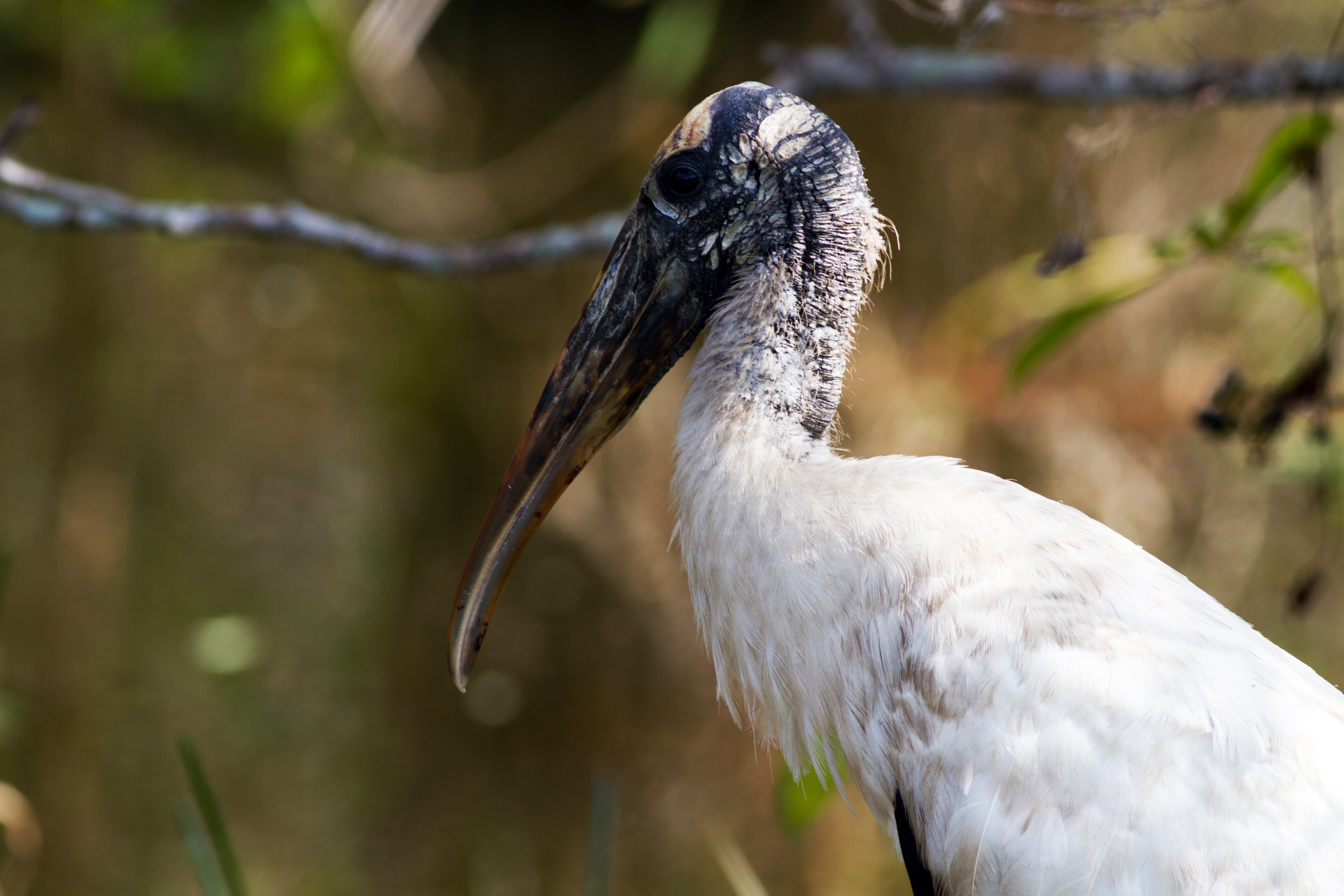
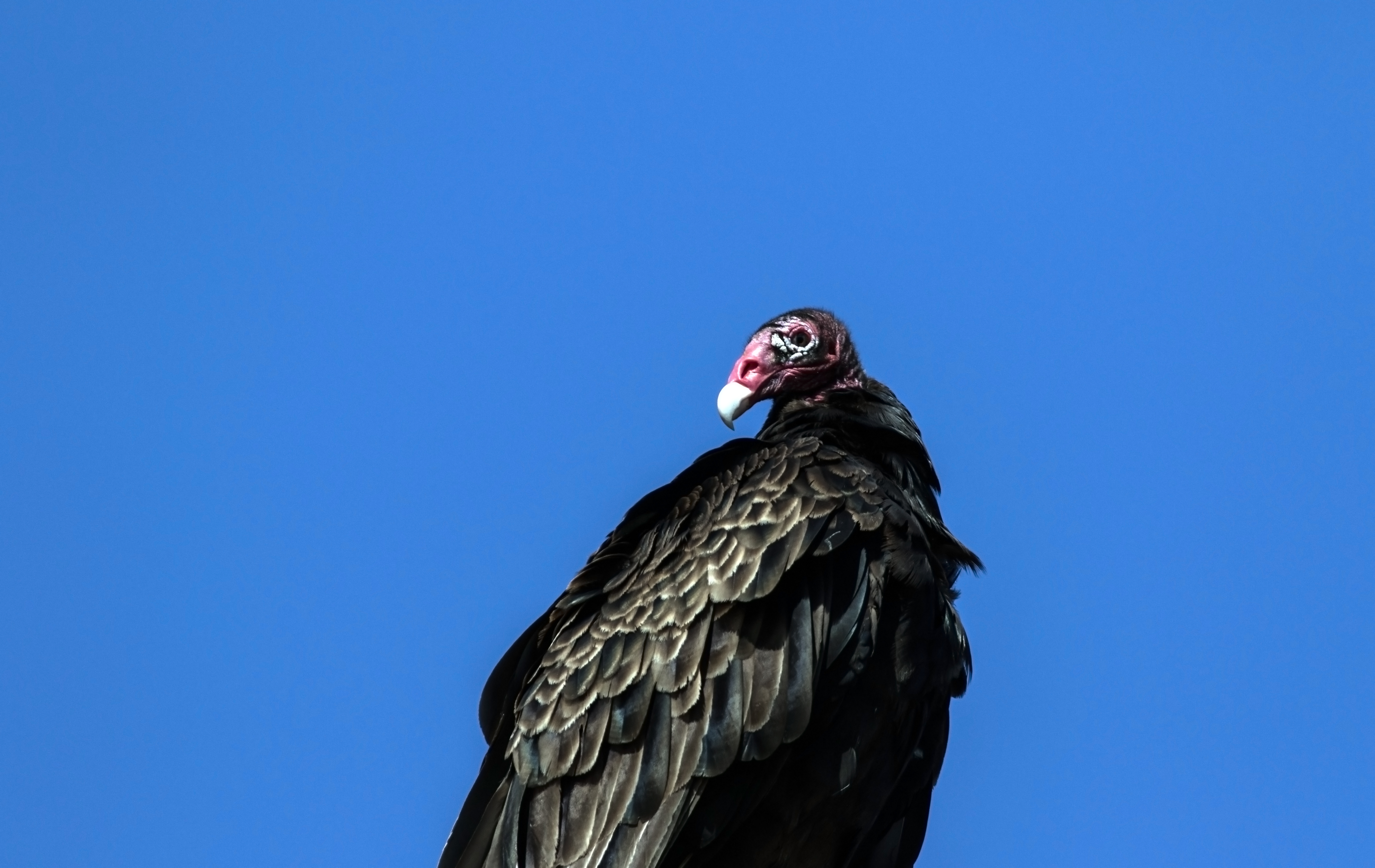
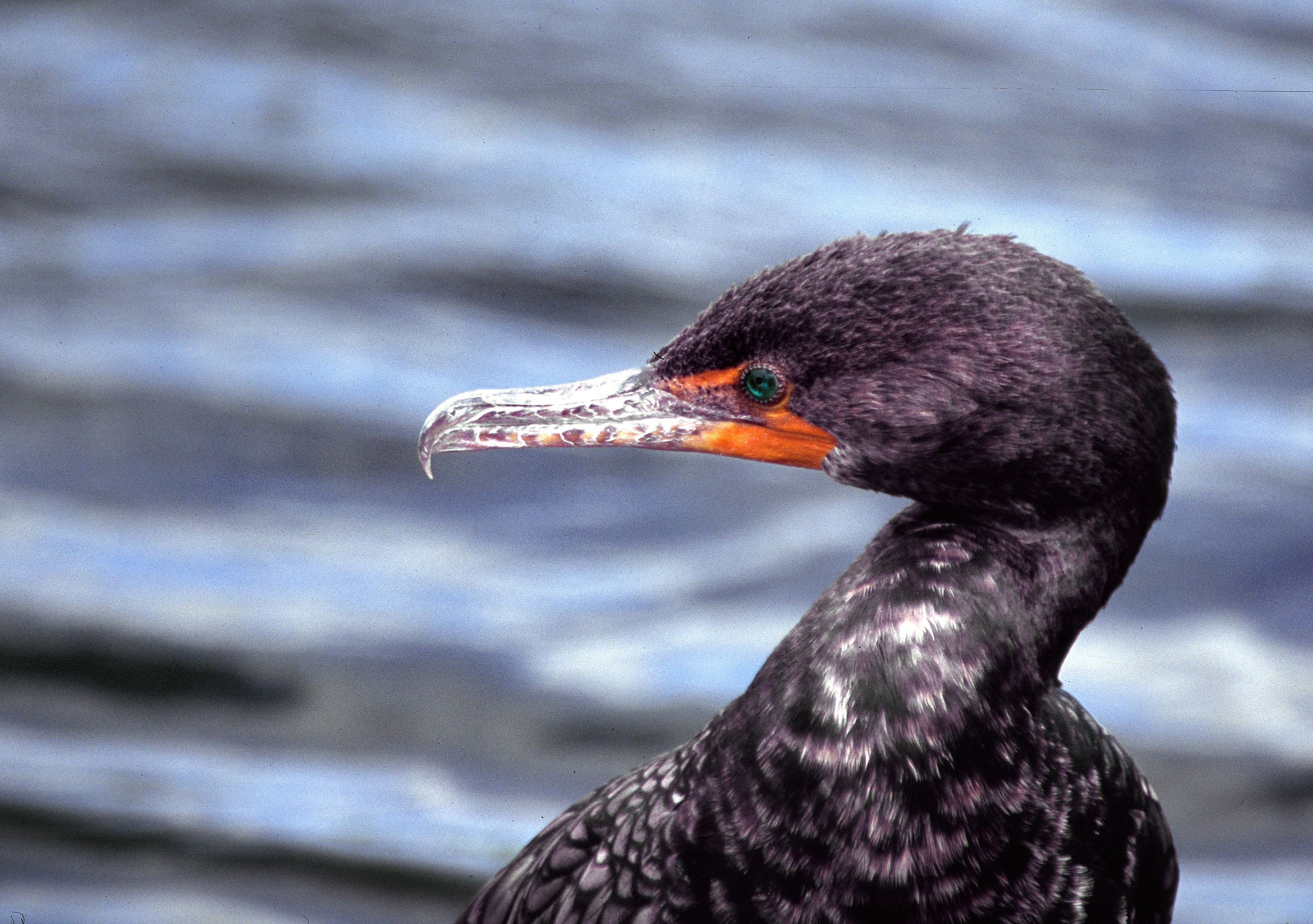
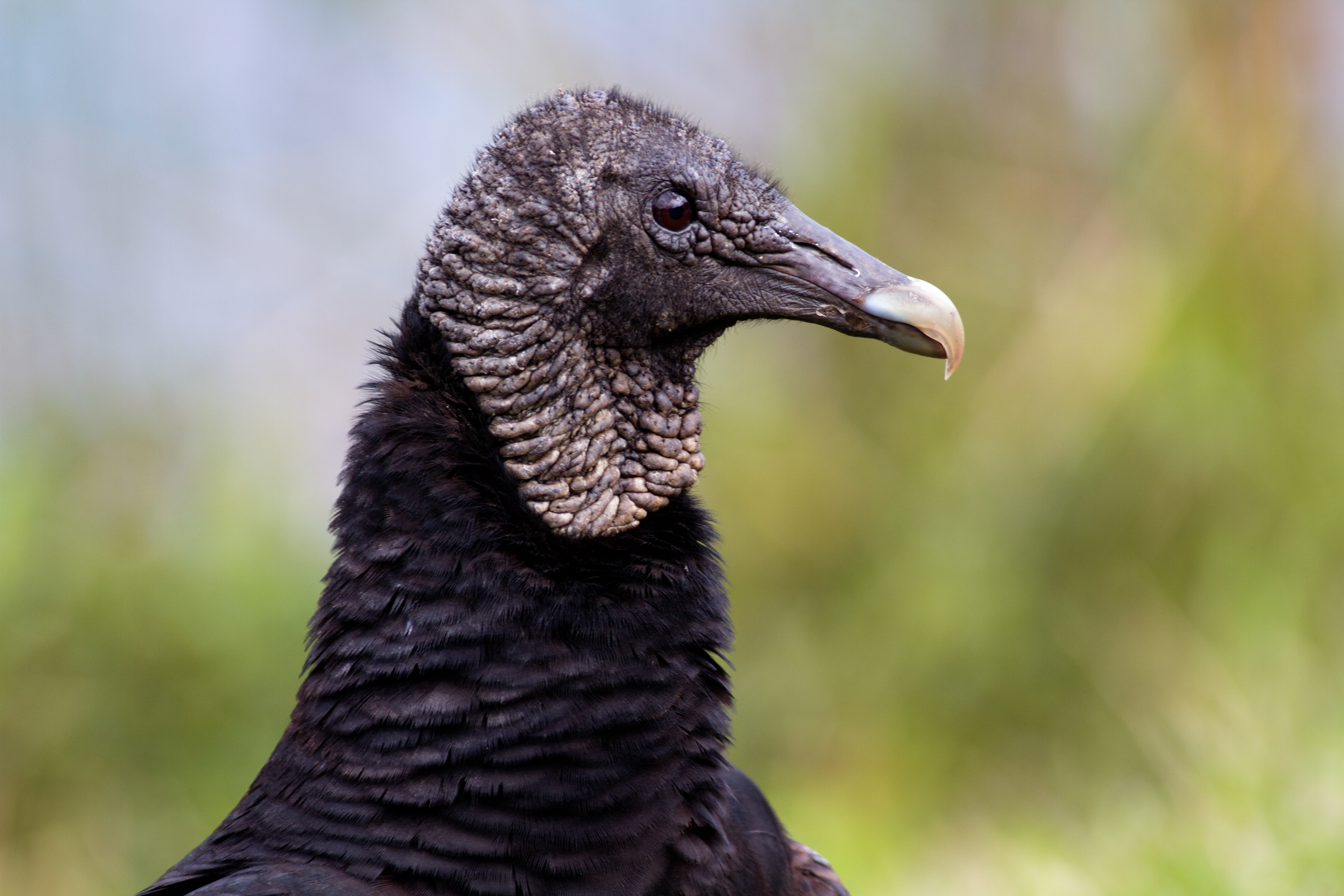
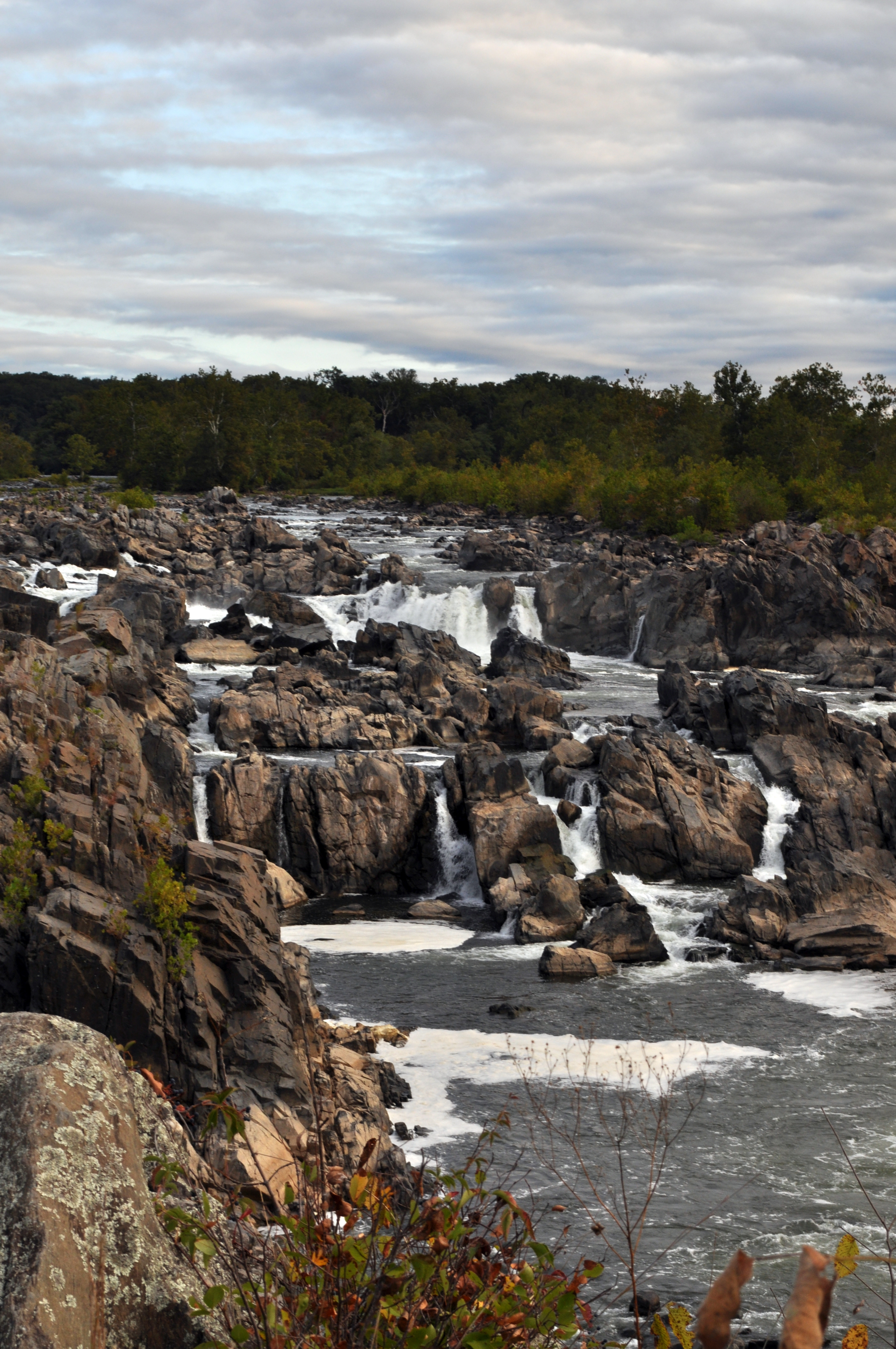
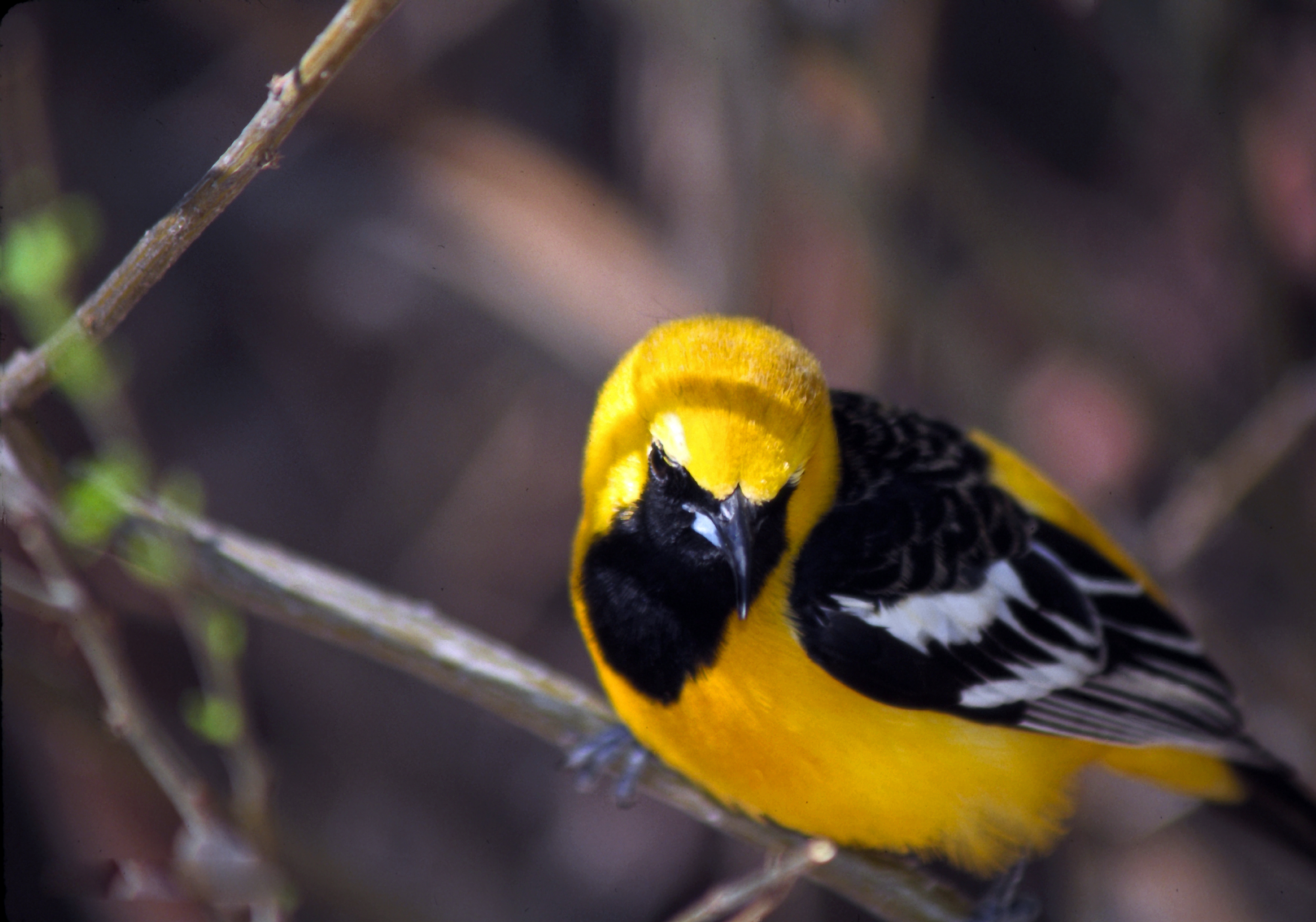
That being said, if you were to use a high ISO in a location where there is a good amount of available light (think outdoors on a sunny day), you can still get a correct exposure, but the image will be incredibly grainy and have a lot of background noise. (If you have difficulty seeing the grain, click on the image below and you can zoom in further).

ISO was one the mistakes that I made most often while learning to use my DSLR in Manual (and one that I sometimes still make when I’m not paying attention). I think it was because the technicality of the concept initially just went straight over my head and it wasn’t until I understood the ‘theory’ of it that I actually learned how to use it. It was a mistake that was second only to figuring out how and why to change my aperture; a topic that I will cover next week. In the meantime, happy photographing!
– Hazel
Photos (1 and 2) © 2015 Hazel Arroyo
Photo (3) © 2015 Bryan Arroyo





 Shoestring Filter