This morning we have a Pied-Billed Grebe in non-breeding plumage. The Pied-Billed Grebe’s loud vocalization makes it sound very similar to the Yellow-Billed Cuckoo, despite their wildly different behaviors and habitats. Pied-Billed Grebes very rarely fly – when in danger, they actually dive up to 20 feet underwater. Have a great weekend everyone!
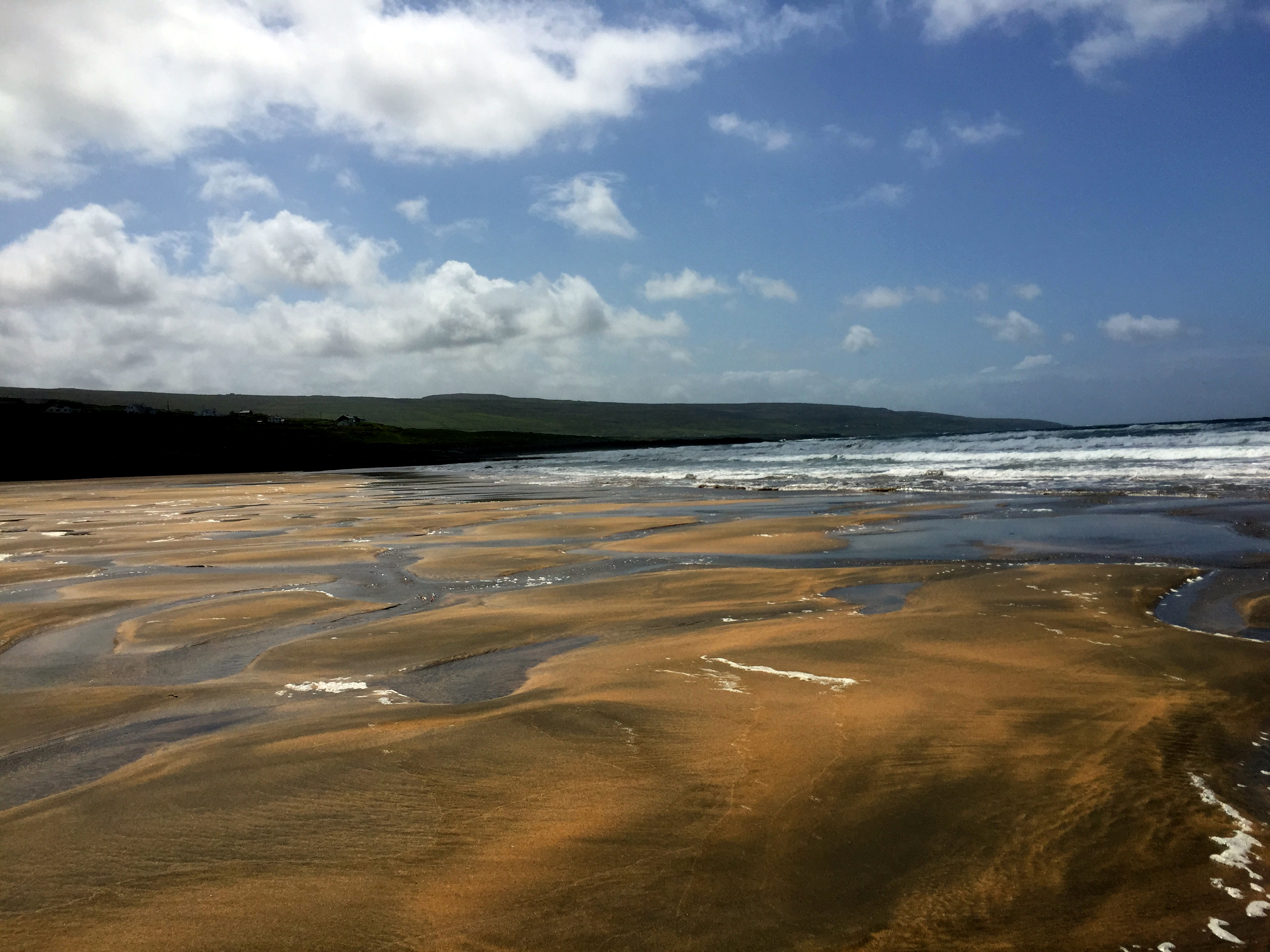
This picture shows a different side to The Burren in County Claire Ireland. This beautiful sandy beach is located in Fanore in County Claire. I had never seen anything like it before in my life. The sand is a mixture of black and brown sand. Just down the way, there is a grassy hill with more of the limestone that is common in The Burren. I could sit there all day watching the waves come in and be perfectly content. Have a great end to the week everyone!
This morning we revisit the Everglades with a picture of an American Crocodile. Contrary to popular belief, the American Crocodile is not very aggressive and attacks from them are rare. It is like any other animal, when it feels threatened it will attack. Reasonable precautions and distance keep us in harmony with this and many other species that share our living space.
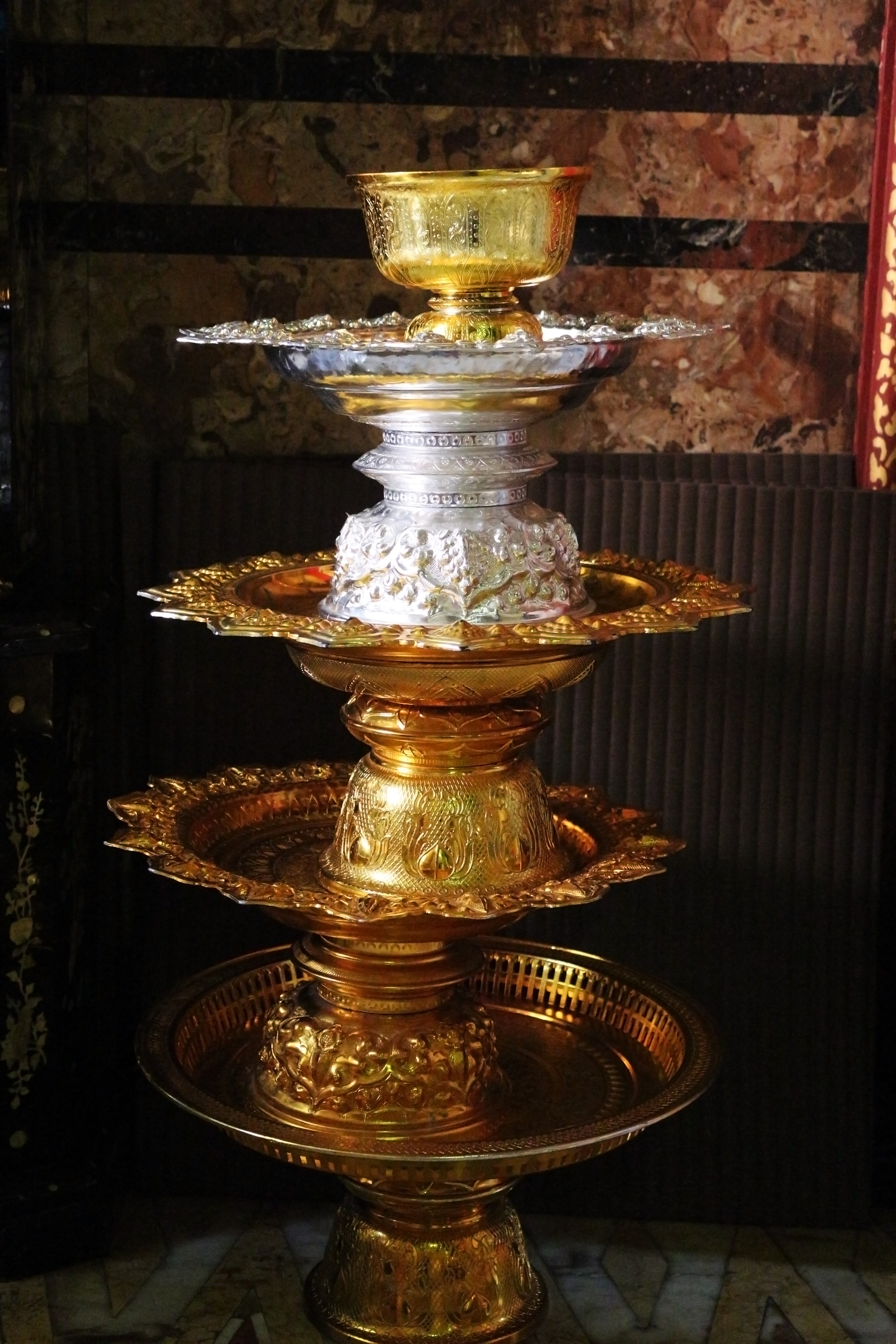
This morning we have ornate trays that were stacked at the Buddhist temple, Wat Benchamabophit Dusitvanaram in Bangkok, Thailand. Wat Benchamabophit is also known as the Marble Temple and is well known for its ornate architecture and fixtures. There are so many beautiful areas in this temple that I’m sure this will not be the last photo that we share from Wat Benchamabophit. Have a great day everyone!
Today we have a Snowy Egret (Egretta thula) from Bombay Hook National Wildlife Refuge in Smyrna, Delaware. In the past, the plumage of the Snowy Egret was highly sought after for use in hats and the populations dwindled quickly to dangerous levels. It all turned around for the Snowy Egret in 1918 when they became protected under the Migratory Bird Treaty Act of 1918. They have since rebounded the population to a ‘Least Concern’ conservation status.
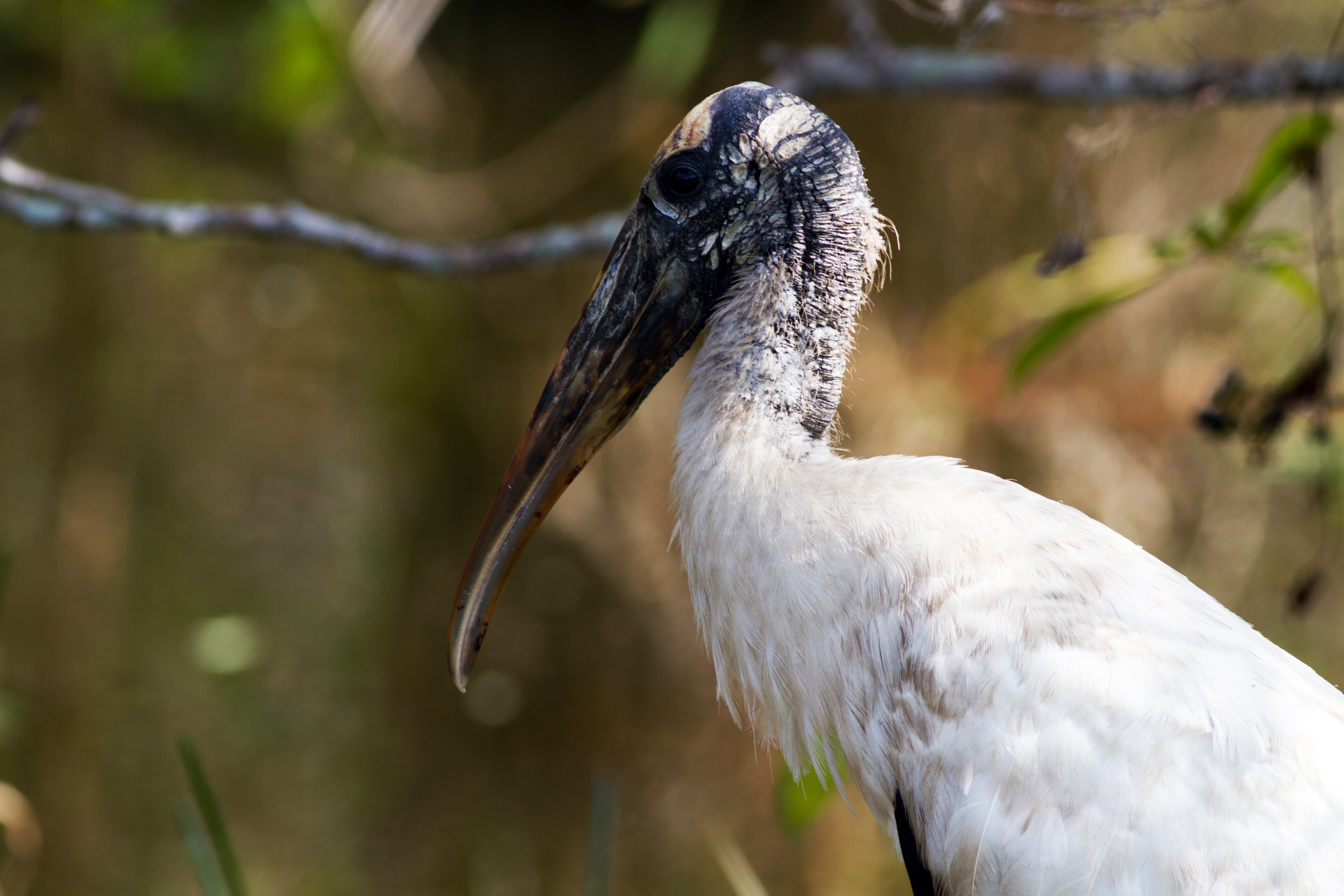
This morning we have a Wood Stork (Mycteria americana) that was photographed in Florida. The wood stork was declared to be a threatened species by the US Fish and Wildlife Service on June 26, 2014. Every time that a species becomes threatened or endangered, it should be seen as a call to action on the part of the person that looks back at you in the mirror. We all need to do our part to protect the Earth that we share with millions of other species.
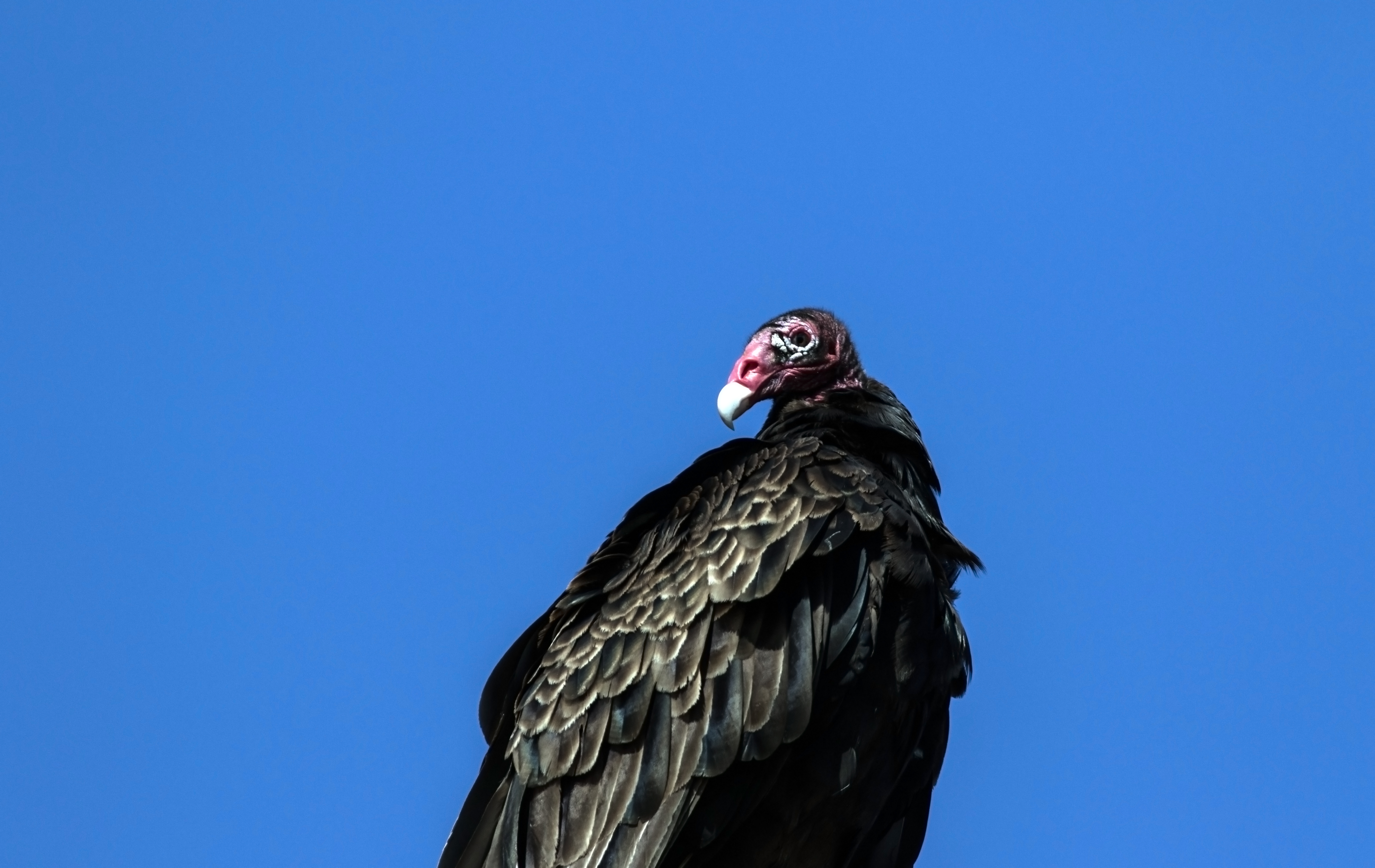
This morning we have a Turkey Vulture that was photographed at Prime Hook National Wildlife Refuge in Milton, Delaware. Prime Hook was established in 1963 for the use of being a sanctuary and management area for migratory birds. It consists of over 10,000 acres of land, much of it wetlands; perfect for the management of migratory birds. Hope everyone is enjoying their weekend!
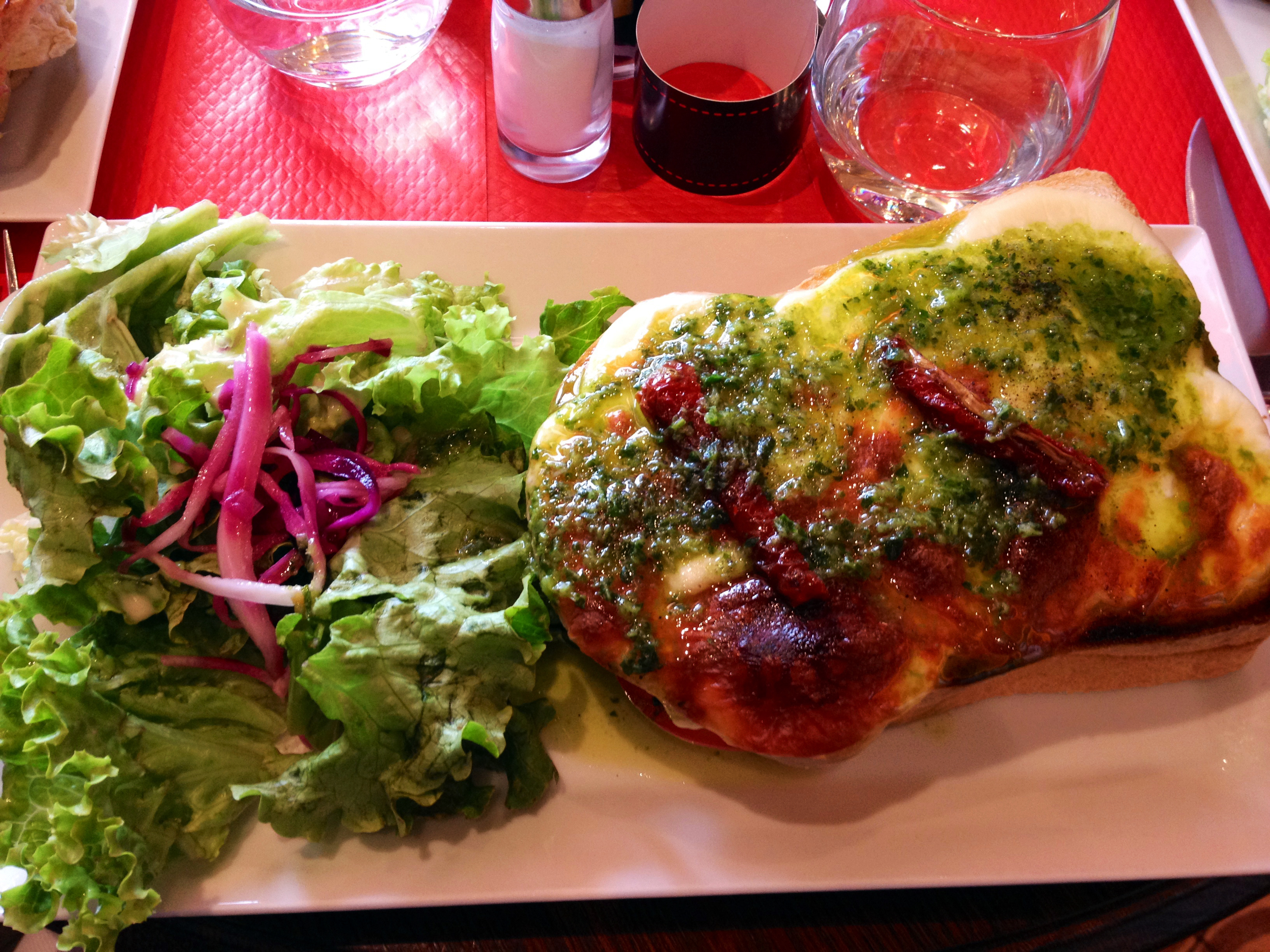
This morning I find myself thinking back to my time in Paris, so I thought I’d share this Croque Campagne from Café de France in the Place d’Italie area. This lunch was special as it was my first meal in Paris. I don’t know if it was psychological because I knew I was in Paris or if it was the result of the French affinity for butter, all I know is that everything I ate there just tasted better and, impossibly, happier. What I wouldn’t give for a warm baguette on this grey morning.
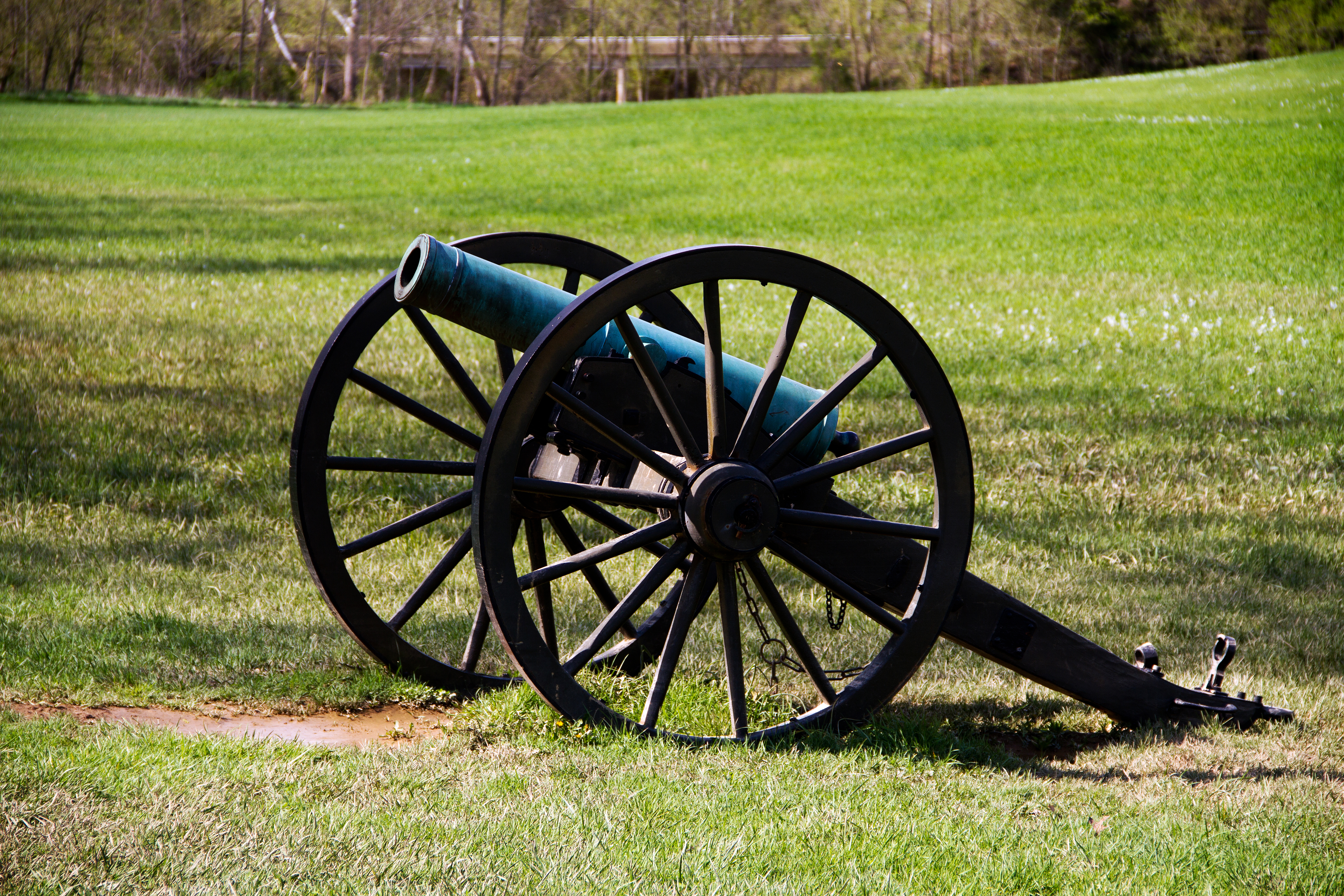
Today we have a cannon from Antietam National Battlefield in Maryland. The Battle of Antietam was the first major battle during the American Civil War that took place in Union territory. It was also the most deadly single-day battle in American history. The Union performance at Antietam gave President Lincoln the confidence to make the Emancipation Proclamation shortly thereafter. Currently, Antietam is known as one of the best preserved Civil War battlefields. It is certainly one of the most hauntingly beautiful places to visit.
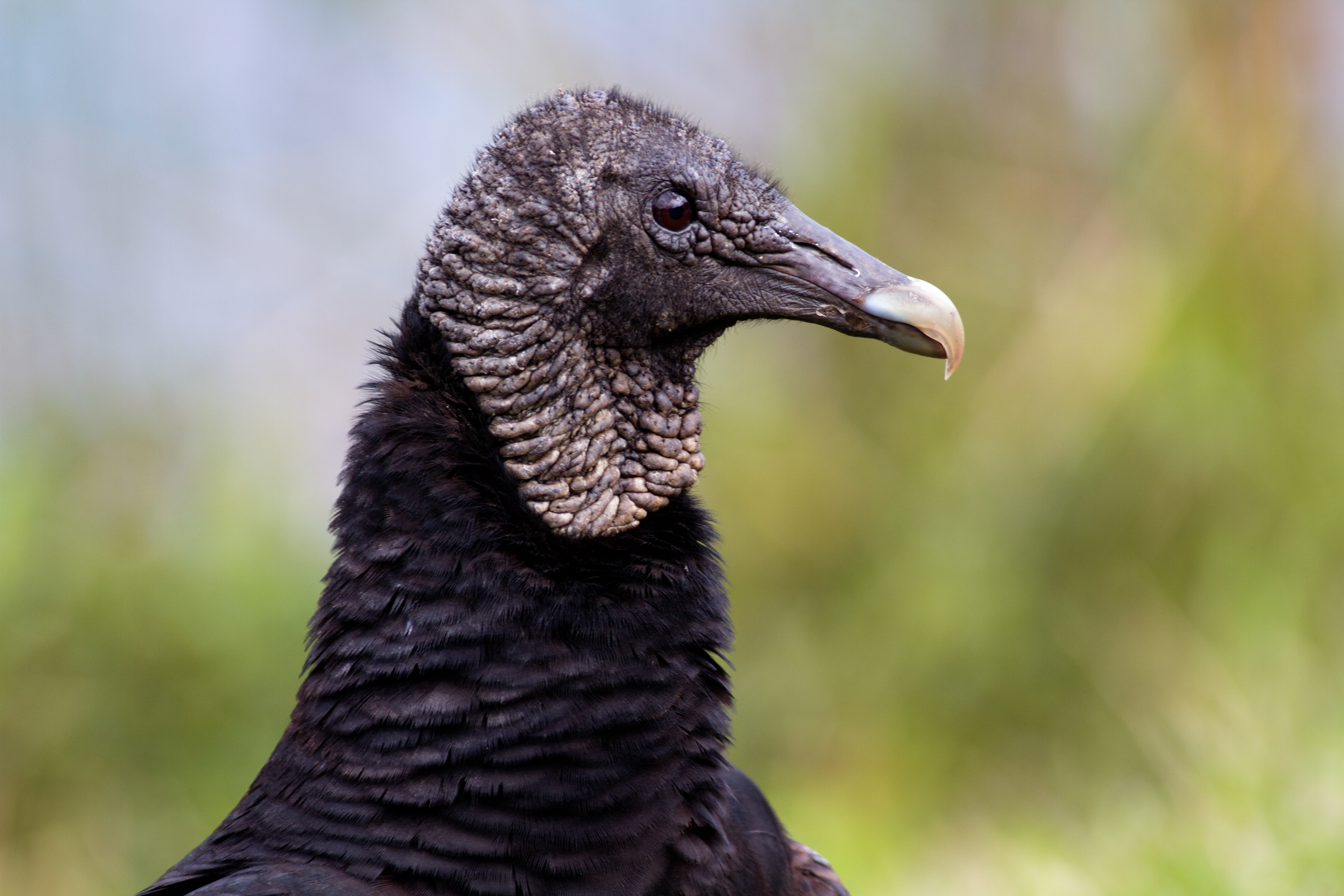
Happy Thursday! Today we have a black vulture from Everglades National Park in Florida. Everglades National Park is the largest subtropical wilderness in the United States and is home to many endangered and rare species, the most well-known being the Florida Panther, American Crocodile, and Manatees. The Everglades are a World Heritage Site, Wetland of International Importance, International Biosphere Reserve, and is protected under the Cartagena Treaty. Have a great day everyone!



 Shoestring Filter